

Our Verdict
Container gardening is a genuinely productive method for families who lack yard space, rent their home, or want to start small without committing to a full in-ground plot. However, the higher ongoing costs of potting mix, fertilizer, and water - plus the daily watering demands - mean it works best when approached with realistic expectations rather than as an automatic money-saver.
Renters, families with patios or balconies, and beginners who want a manageable, low-commitment entry point into growing their own food.
What Container Gardening Actually Involves
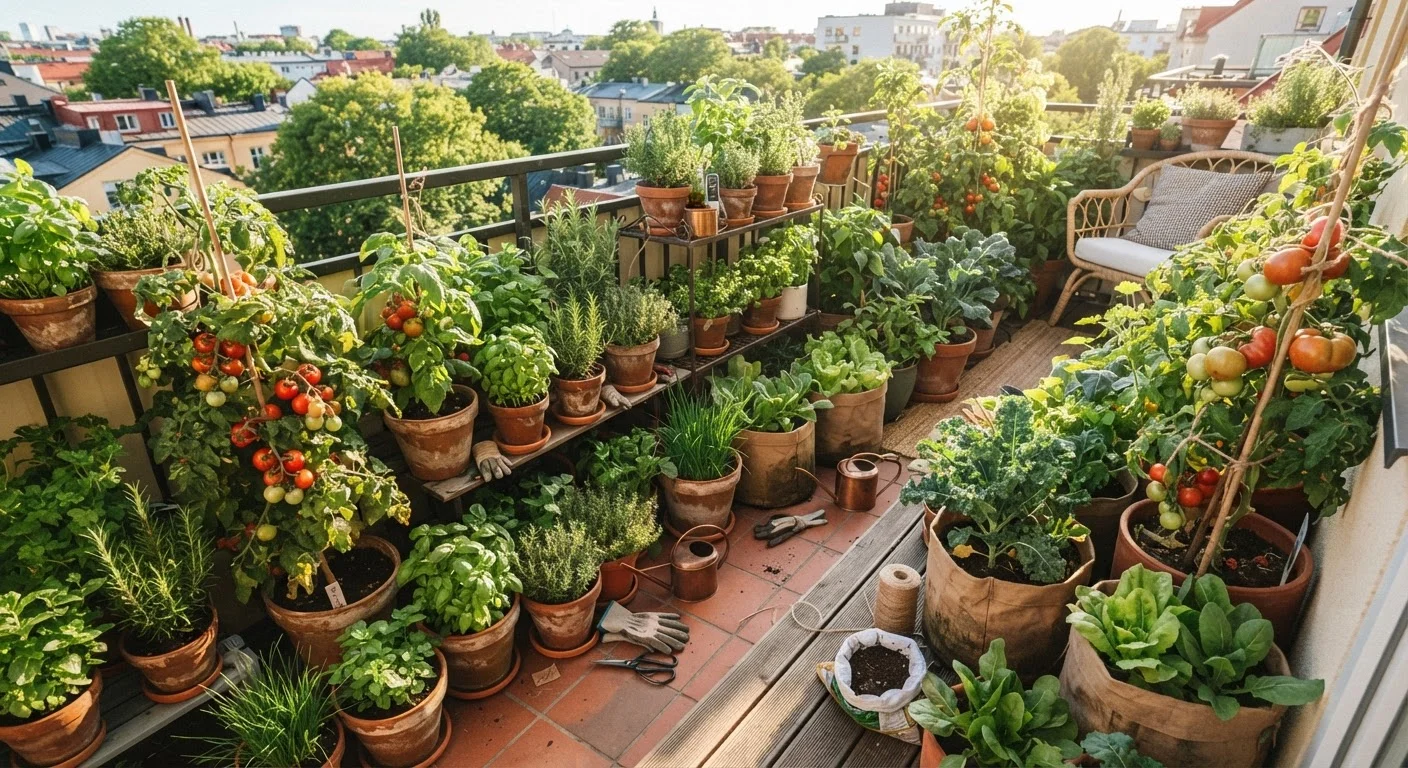
Growing food in containers means using pots, buckets, grow bags, or raised planters - rather than garden beds - as your growing medium. It's a popular choice for families in apartments, townhouses, or homes with poor native soil. Before committing, it helps to understand both why people love it and where the method genuinely struggles.
If you're starting completely from scratch, our guide to starting a home garden on a tight budget covers the foundational planning steps that apply whether you garden in containers or in the ground.
Works in spaces with no ground access
Balconies, patios, driveways, and rooftops can all host productive container gardens. Renters especially benefit since no permanent changes to the property are required.
Full control over soil quality
You fill each container with the exact mix your crop needs, bypassing poor native soil - compacted clay or rocky ground - that would otherwise require extensive amendment.
Containers can be moved to follow sunlight
If one part of your outdoor space gets better afternoon sun, you can reposition pots accordingly. This flexibility is impossible with in-ground beds.
Easier to protect from frost
Moving containers indoors or under cover when temperatures drop extends your growing season without needing row covers or cold frames.
Reduced weed pressure
Fresh potting mix contains far fewer weed seeds than garden soil, which meaningfully cuts down on maintenance time - a practical win for busy families.
Where Container Gardening Falls Short
The limitations are real and worth naming plainly so you're not caught off guard mid-season.
Dries out quickly and needs frequent watering
Container soil can dry out in as little as one day during summer heat, whereas in-ground beds retain moisture much longer. Missing even a single day can stress or kill plants like lettuce or basil.
Higher upfront and recurring costs
Quality potting mix, containers, and fertilizer add up faster than amending a small in-ground bed. Potting mix typically needs partial replacement each season to maintain structure and nutrition.
Limited root space restricts crop size and yield
Most food plants produce significantly less in containers than in the ground simply because root volume is constrained. A tomato plant in a 5-gallon pot will rarely match one planted in open soil.
Nutrients deplete faster than in garden beds
Watering leaches nutrients out of containers over time, and there's no surrounding soil ecosystem to replenish them. Regular fertilizing is essential, adding time and cost.
Containers can overheat in summer
Dark-colored plastic pots in direct sun can raise root-zone temperatures to levels that damage plants. This is a particular problem for cool-season crops like lettuce and spinach.
Nutrient depletion is one of the less obvious challenges. Unlike garden beds, containers don't benefit from soil organisms and organic matter continuously breaking down around roots. You'll need to fertilize more deliberately and refresh potting mix annually. Our home composting guide shows how to make a low-cost amendment that helps replenish container soil over time.
Which Foods Actually Grow Well in Containers
Not all crops are equally suited to pot culture. Matching plant to container size is the single biggest factor in success.
- Herbs (basil, parsley, chives, mint) - thrive in small to medium pots and are among the most cost-effective crops to grow at home.
- Lettuces and salad greens - shallow-rooted and fast-growing; a 12-inch pot can supply regular harvests.
- Cherry tomatoes - productive in 5-gallon or larger containers with strong support.
- Peppers and eggplant - both do well in containers of similar size to tomatoes.
- Radishes, green onions, and beets - compact root vegetables suited to deeper pots.
- Bush beans - more container-friendly than pole varieties.
Crops that tend to disappoint in containers include corn, sprawling squash varieties, and most full-size melons - they simply require more root volume and lateral space than a pot can reasonably provide.
Whether you start these crops from seed or purchase transplants matters for your budget and timing. See our breakdown of seeds vs. seedlings to weigh those options.
Choosing the Right Container Material
Terracotta pots are breathable and attractive but dry out faster than plastic or fabric grow bags. Fabric grow bags promote air pruning of roots and tend to prevent overwatering, making them a practical choice for tomatoes and peppers. Whatever material you use, ensure every container has adequate drainage holes - waterlogged roots are one of the most common reasons container plants fail.
Container Gardening vs. Other Small-Space Methods
Containers aren't the only answer for families with limited outdoor space. Square foot gardening uses a structured grid in a fixed raised bed to maximize yield per square foot - often more efficient than containers for families who have even a small patch of outdoor ground they can dedicate year-round.
If consistent productivity matters most and you have any permanent outdoor space, a permanent raised bed with quality soil will typically outperform containers on yield and cost-per-harvest over multiple seasons. Containers shine when flexibility, mobility, or access constraints make a fixed bed impractical.
Regardless of method, many of the same mistakes trip up new gardeners. Common reasons vegetable gardens underperform - including overwatering and poor spacing - apply just as much to container setups as to in-ground plots.
5-10 gallons
Minimum pot size for tomatoes
Most university extension services recommend at least a 5-gallon container for determinate tomato varieties, with 10 gallons preferred for better yields.
1-2×/day
Typical summer watering frequency
In hot climates, container vegetables may need watering once or twice daily, compared to every 2-3 days for in-ground garden beds.
The content provided on our blog site traverses numerous categories, offering readers valuable and practical information. Readers can use the editorial team’s research and data to gain more insights into their topics of interest. However, they are requested not to treat the articles as conclusive. The website team cannot be held responsible for differences in data or inaccuracies found across other platforms. Please also note that the site might also miss out on various schemes and offers available that the readers may find more beneficial than the ones we cover.