

Why This Overlap Matters for Families
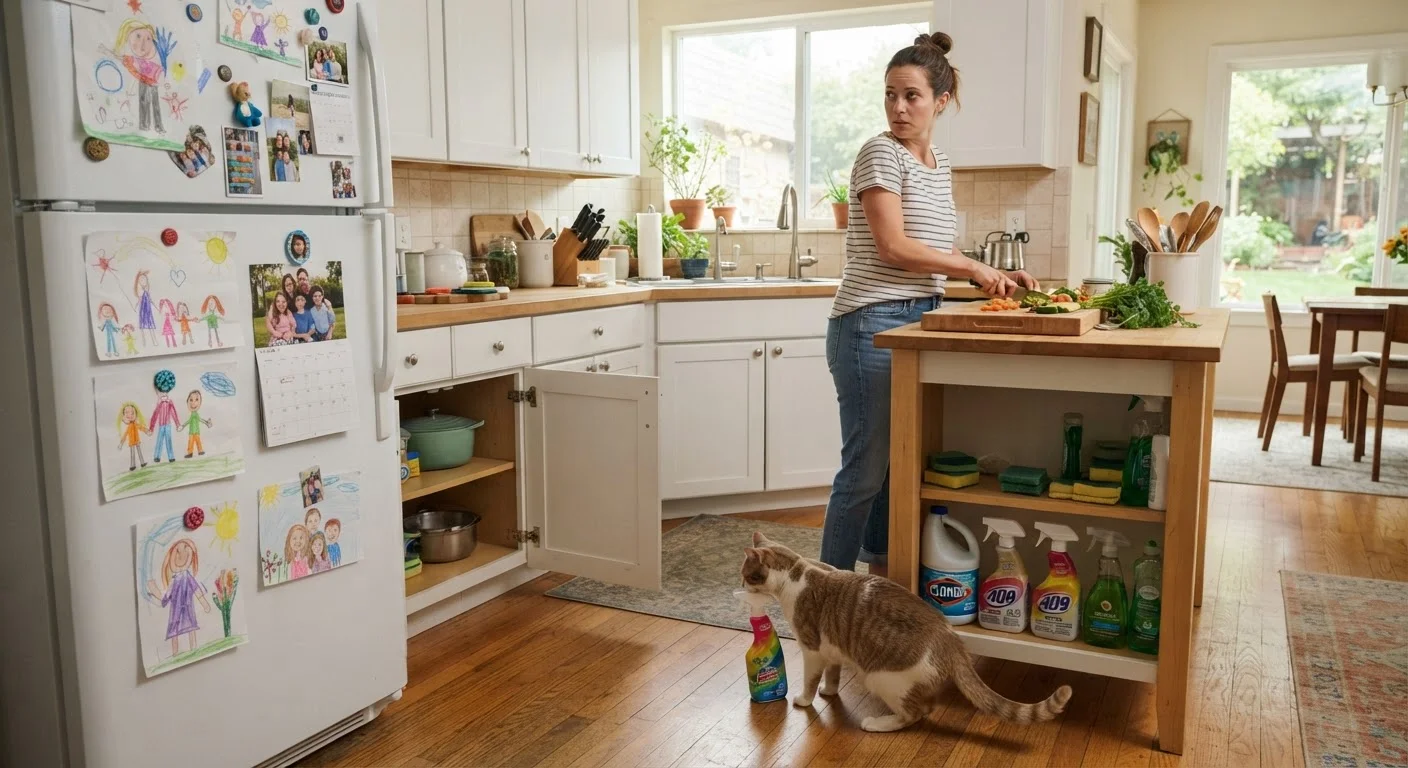
Homes with both pets and young children share a particular challenge: the things most dangerous to a dog or cat are often stored exactly where a toddler can reach them. Low cabinets, bathroom counters, under-sink areas, and bedside tables are all common storage spots - and all fall within range of a curious two-year-old or a sniffing dog. Understanding where these hazards live in your home is the first step toward preventing an emergency.
This guide focuses on toxins that pose a genuine health risk to companion animals and are frequently found in accessible locations. It is general reference information, not veterinary advice. If you suspect your pet has been exposed to any toxic substance, contact a veterinarian or a veterinary poison control hotline immediately.
For a broader room-by-room safety audit, see our pet-proofing walkthrough for families with young children.
| Most reported pet toxin category | Human medications (OTC and prescription) (ASPCA Animal Poison Control Center annual data) |
| Acetaminophen risk to cats | Highly toxic - even one standard tablet can be life-threatening (Veterinary toxicology consensus) |
| Sweetener of concern in dog food and snacks | Xylitol - found in sugar-free gum, some peanut butters, baked goods (FDA consumer advisories) |
| Lily toxicity to cats | True lilies can cause acute kidney failure; even pollen exposure is dangerous (ASPCA Poison Control) |
| Antifreeze palatability risk | Ethylene glycol has a sweet taste attractive to pets and children (Veterinary emergency medicine literature) |
| Emergency contact | ASPCA Animal Poison Control Center: (888) 426-4435 (fee may apply) (ASPCA) |
Common Household Categories and Their Risks
Cleaning Products
All-purpose sprays, toilet bowl cleaners, drain uncloggers, and bleach-based disinfectants are acutely toxic to cats and dogs if ingested or if residue contacts paws that are then licked. These products are routinely stored under bathroom and kitchen sinks - cabinet heights that children under four and most dogs can access easily. Even diluted residue left on floors after mopping can irritate paws and respiratory tracts.
Human Medications
Acetaminophen (found in common pain relievers) is well-documented as highly toxic to cats and can cause serious harm to dogs even in small doses. Non-steroidal anti-inflammatory drugs (NSAIDs), antidepressants, and ADHD medications are among the substances most frequently reported in pet poisoning cases, according to veterinary toxicology resources. These are often left on low bedside tables, bathroom counters, or in open purses - all accessible to pets and children alike.
Foods Toxic to Pets
Several foods kept in ordinary kitchen areas are hazardous to dogs or cats specifically, even when safe for humans. Grapes and raisins (associated with kidney damage in dogs), xylitol (an artificial sweetener in sugar-free gum, peanut butters, and baked goods), chocolate, onions, and macadamia nuts are among the most commonly cited. Cross-contamination between pet areas and children's snack zones is a related concern worth reviewing.
Houseplants
Many popular indoor plants are toxic to cats and dogs. Lilies (especially dangerous to cats, potentially causing kidney failure), pothos, philodendron, dieffenbachia, and sago palm are frequently found on low shelves, windowsills, and tables within easy reach of both children and pets. Sago palm, in particular, is considered one of the most toxic plants to dogs - ingestion of even small amounts can be life-threatening.
Pesticides and Rodenticides
Rodent bait stations, ant traps, and insecticide granules are sometimes stored in garages or under sinks in formats designed to be appealing to pests - which makes them attractive to curious animals and children as well. Rodenticides in particular can cause serious or fatal illness in dogs and cats. For families interested in safer alternatives outdoors, our guide to organic pest control in the home garden covers lower-risk approaches.
Automotive and Workshop Products
Antifreeze (ethylene glycol) has a notably sweet taste that attracts animals and small children, yet even a small amount is acutely toxic to both cats and dogs. It is often stored in garages at floor level. Motor oil, windshield washer fluid, and paint thinners belong in this same category of hazardous-yet-accessible garage items.
Storage Habits That Increase Risk
Knowing what is toxic is only useful if paired with an honest look at where things actually end up in a busy household. Common storage patterns that raise risk include:
- Under-sink cabinets without locks: A standard under-sink cabinet holds cleaning agents, dishwasher pods (which are highly concentrated and acutely toxic if chewed), and drain chemicals - all within reach of a dog or toddler without a cabinet latch.
- Purses and bags left on low hooks or the floor: Medications, sugar-free gum, and small snacks often travel in handbags that are habitually dropped near the door.
- Plants at table height or below: Decorative staging often places toxic plants at levels that invite nibbling by cats and investigation by crawling infants.
- Garage floors and open shelving: Automotive chemicals and pest control products left at floor level are within reach of pets that explore garages freely.
Reviewing how shared safety habits unravel in real households is explored further in our article on how families accidentally undermine pet safety routines.
This article provides general reference information only and is not a substitute for veterinary advice. If you believe your pet has been exposed to a toxic substance, contact a licensed veterinarian or veterinary poison control service immediately.
The content provided on our blog site traverses numerous categories, offering readers valuable and practical information. Readers can use the editorial team’s research and data to gain more insights into their topics of interest. However, they are requested not to treat the articles as conclusive. The website team cannot be held responsible for differences in data or inaccuracies found across other platforms. Please also note that the site might also miss out on various schemes and offers available that the readers may find more beneficial than the ones we cover.