

Our Verdict
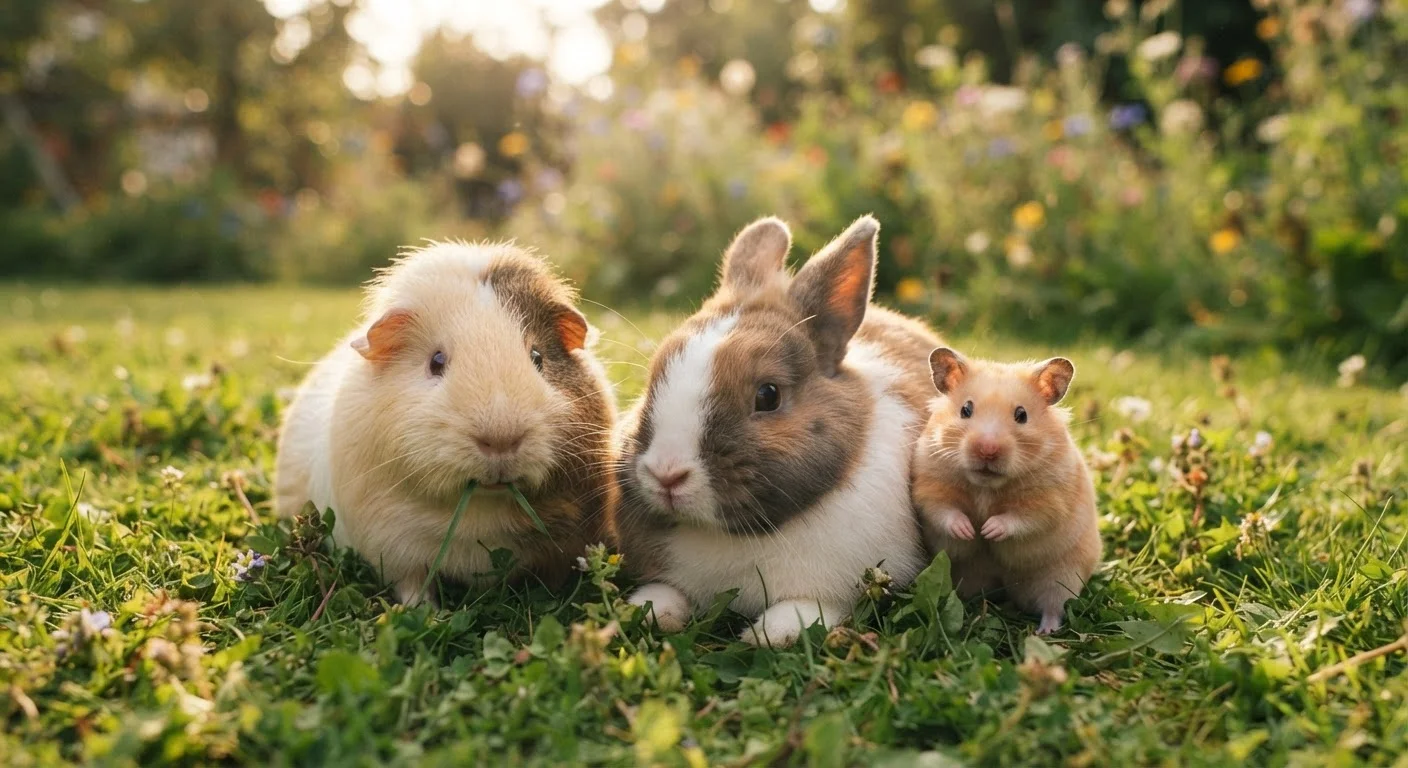
Each of these small mammals can be a rewarding family pet, but they suit different household dynamics. Guinea pigs are widely considered the most child-compatible due to their social nature and daytime activity. Rabbits reward patient, older-child households willing to invest in space and enrichment. Hamsters fit families who appreciate a more independent, evening-active companion.
| Best for | Recommended |
|---|---|
| Families with younger children seeking a social, handleable pet | Guinea Pig |
| Households with older children who want a bigger, bondable companion | Rabbit |
| Families in smaller spaces who prefer a lower-interaction pet | Hamster |
| Budget-conscious families wanting a lower ongoing cost | Hamster |
Why Small Mammals Deserve a Closer Look
When families start researching pets, dogs and cats often dominate the conversation. But small mammals quietly offer real advantages: lower space demands, quieter households, and manageable daily care routines. The challenge is that guinea pigs, rabbits, and hamsters aren't interchangeable - they differ meaningfully in temperament, activity patterns, and how well they tolerate the unpredictability of kids.
Before choosing, it helps to understand what each animal genuinely needs. Our guide to kid-friendly pet traits outlines the core characteristics families should weigh - and small mammals can score surprisingly well when matched correctly. If you're also weighing options like birds, see what family life with a pet bird actually looks like.
Side-by-Side Comparison
The table below summarizes the key differences across the three animals to help frame your decision.
| Guinea Pig | Rabbit | Hamster | |
|---|---|---|---|
| Activity Pattern | Daytime (diurnal) | Dawn and dusk (crepuscular) | Nighttime (nocturnal) |
| Typical Lifespan | 4-8 years | 8-12 years | 2-3 years |
| Child-Friendliness | High (younger kids OK) | Moderate (older kids best) | Low-Moderate (older kids) |
| Space Requirement | Moderate (7.5+ sq ft) | High (needs room to roam) | Moderate (600+ sq in floor) |
| Social Needs | Needs a companion | Pair or solo (varies) | Solitary (Syrian) |
| Handling Tolerance | Generally good | Fragile; can injure if dropped | Can bite if startled |
| Ongoing Cost Estimate | Moderate | Moderate to high | Lower |
| Vet Specialist Needed | Often (exotic vet) | Often (exotic vet) | Sometimes (exotic vet) |
Keep in mind these are general tendencies - individual animals vary, and socialization from a young age matters for all three species.
Guinea Pigs: Social, Vocal, and Surprisingly Sturdy
Guinea pigs (also called cavies) are widely regarded by exotic veterinarians as the most family-compatible of the three. They are diurnal - active during daylight hours - which aligns naturally with children's schedules. They also live in social groups in the wild, meaning they genuinely seek interaction and rarely bite when handled calmly and regularly from a young age.
Their vocalizations - soft purring when content, gentle wheeks when excited - make it easier for children to read their emotional state. Guinea pigs do require a spacious enclosure (the Humane Society recommends a minimum of 7.5 square feet for one pig, more for pairs), a hay-rich diet, and regular spot-cleaning. They also need vitamin C supplementation through fresh vegetables, as they cannot synthesize it themselves.
Lifespan of 4-8 years means families make a meaningful commitment. For apartment-dwellers, see pets that work well in small homes - guinea pigs often make the list.
Rabbits: Rewarding but Demanding
Rabbits are often underestimated - both in how much space they need and how deep their bonds can become. A rabbit that is handled gently and consistently from youth can be genuinely affectionate, responding to its name and seeking out human company. However, rabbits are also prey animals with fragile skeletal structures; a child who squeezes or drops a rabbit can cause serious injury to both the animal and themselves.
For these reasons, most rabbit welfare organizations suggest rabbits are better suited to families with children aged 10 and older, or households where adults will manage most of the handling. Rabbits need significant floor space to roam, mental stimulation, and a hay-based diet alongside fresh leafy greens. They also require spaying or neutering to reduce health risks and territorial behaviors.
Veterinary costs for rabbits can be higher than for other small mammals, particularly for dental disease - a common issue in the species. If you're thinking through the full financial picture of pet ownership, affordable pet care strategies can help you plan ahead.
Hamsters: Independent, Nocturnal, and Best for Older Kids
Hamsters are compact, inexpensive to house, and widely available - but their biology works against child-friendly interaction. Syrian hamsters and dwarf varieties alike are primarily nocturnal, meaning they sleep through much of the school day and become active in the evening. Waking a hamster during the day to show it off is stressful for the animal and increases the likelihood of biting.
Hamsters are also solitary and can be nippy even when well-socialized, particularly if startled. They suit older children - typically 10 and up - who can respect handling cues and manage the animal carefully. Their enclosures should be larger than many starter kits suggest; animal welfare researchers increasingly recommend a minimum of 600-800 square inches of unbroken floor space.
On the positive side, hamsters are genuinely low-cost to keep, have a smaller daily time commitment, and can be fascinating for children who enjoy observing animal behavior rather than frequent hands-on interaction.
This article provides general educational information about pet care and is not a substitute for guidance from a qualified veterinarian familiar with your specific animal.
Making the Right Choice for Your Family
The right small mammal comes down to honest self-assessment: How old are your children? How much daily interaction do you realistically have time for? How much floor space is available? Are you prepared for veterinary care, including for species that some general-practice vets don't see?
If you're still deciding whether a small mammal or another type of pet is the right fit, our comprehensive first-pet guide walks through the full decision process. And for families also weighing dogs or cats, dogs vs. cats as a first family pet offers a useful parallel comparison.
Whatever you decide, review pet safety at home with young children before bringing any animal into a household with kids - the setup and supervision strategies there apply to small mammals too.
The content provided on our blog site traverses numerous categories, offering readers valuable and practical information. Readers can use the editorial team’s research and data to gain more insights into their topics of interest. However, they are requested not to treat the articles as conclusive. The website team cannot be held responsible for differences in data or inaccuracies found across other platforms. Please also note that the site might also miss out on various schemes and offers available that the readers may find more beneficial than the ones we cover.