

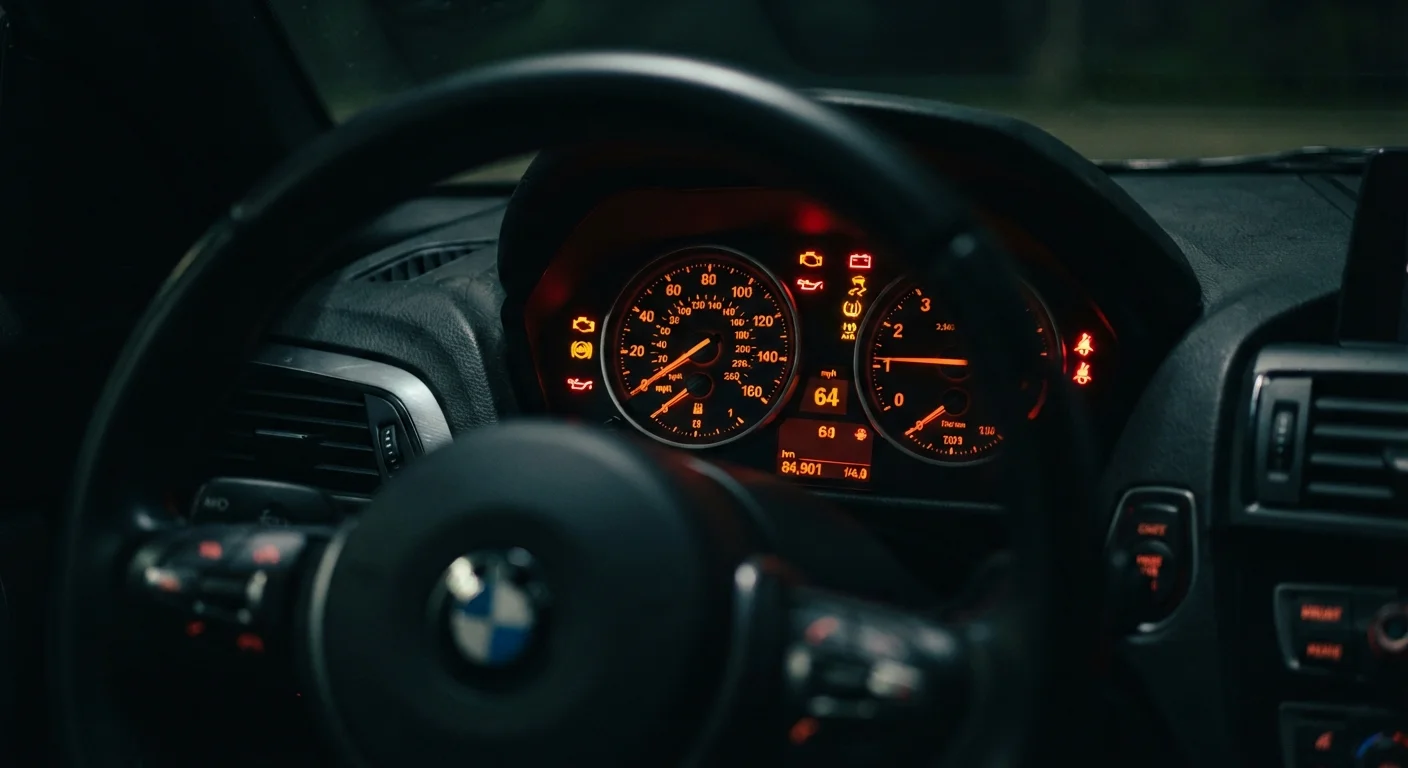
How Dashboard Warning Lights Work
Modern vehicles use an OBD system - a network of sensors that continuously monitors engine, transmission, brakes, and other systems. When something falls outside normal parameters, the relevant sensor triggers a warning light on your instrument cluster. Think of it as your car sending you a text message: some are urgent, others are reminders, and a few are just informational.
Warning lights generally follow a colour logic: red means stop or act immediately, amber/yellow means investigate soon, and green or blue is typically a confirmation that a system is active (like your high beams). This isn't universal across every manufacturer, so your owner's manual is always the definitive reference for your specific vehicle.
For a broader foundation on keeping your car healthy, see our guide to car maintenance for new owners.
The Lights You Must Never Ignore
Some warning lights demand immediate action - continuing to drive can result in serious damage, safety risk, or both.
- Oil Pressure Warning (red oil can symbol): Indicates dangerously low oil pressure. Pull over safely as soon as possible and turn off the engine. Driving even a short distance with no oil pressure can cause irreversible engine damage.
- Engine Temperature Warning (thermometer in liquid): Your engine is overheating. Stop driving, let the engine cool, and check coolant levels only once the engine is cold. Do not open the radiator cap on a hot engine.
- Battery / Charging System (battery icon): The charging system has failed. Your car is running on battery reserves only - electrical systems will shut down progressively. Drive directly to a workshop if safe, or pull over and call for assistance.
- Brake System Warning (exclamation in circle or "BRAKE"): Could mean low brake fluid, a fault in the braking system, or the parking brake is still engaged. Release the parking brake first; if the light stays on, treat it as urgent. Our article on brake noise and warning signs covers related brake concerns in detail.
- Airbag / SRS Warning (person with circle): A fault in the supplemental restraint system means airbags may not deploy in a crash - or could deploy unexpectedly. This requires professional diagnosis promptly.
Amber Lights: Investigate Within Days, Not Weeks
These lights indicate a real issue, but one that generally allows you to continue driving briefly while you arrange service. Delaying too long risks turning a minor repair into a major one.
- Check Engine / Engine Management Light (engine outline): One of the most misunderstood lights - it covers everything from a loose fuel cap to a failing catalytic converter. A mechanic can read the stored fault code with a scan tool to pinpoint the cause.
- Tyre Pressure Monitoring System - TPMS (exclamation in flat tyre): One or more tyres is significantly under-inflated. Check pressures at the next opportunity. Under-inflation affects handling and fuel economy. See our tyre care basics guide for practical guidance.
- Transmission Temperature (thermometer in gear): Transmission fluid is overheating - common when towing or driving in stop-start traffic. Reduce load and have fluid levels checked.
- Low Fuel Warning (fuel pump symbol): Self-explanatory, but worth noting: running a tank dry repeatedly can damage the fuel pump, which relies on fuel for cooling.
If you notice other unusual symptoms alongside any warning light - odd smells, vibrations, or sluggish performance - read our article on early warning signs your car needs attention.
Keeping Lights Off: Prevention Over Reaction
Many warning lights are preventable with routine maintenance: regular oil changes, tyre pressure checks, and fluid top-ups address the root causes of the most common alerts. Before any long trip with the family, a quick walk-around inspection - including tyre condition and fluid levels - takes under five minutes and catches issues before they escalate on the road. Our pre-drive safety walkthrough is a useful checklist to build that habit.
One practical tool worth knowing about: an OBD-II code reader. These inexpensive handheld devices plug into a port usually found under the dashboard and display the fault code behind a check engine light. This won't fix the problem, but it tells you what you're dealing with before you visit a mechanic - useful for families who want to avoid being caught off guard. Any diagnosis or repair beyond reading the code should be handled by a qualified mechanic.
This article provides general information about vehicle warning lights and is not a substitute for your vehicle's owner's manual or advice from a qualified mechanic. Always consult a professional for diagnosis and repair.
The content provided on our blog site traverses numerous categories, offering readers valuable and practical information. Readers can use the editorial team’s research and data to gain more insights into their topics of interest. However, they are requested not to treat the articles as conclusive. The website team cannot be held responsible for differences in data or inaccuracies found across other platforms. Please also note that the site might also miss out on various schemes and offers available that the readers may find more beneficial than the ones we cover.