

Why Parents Are Usually Last on Their Own List
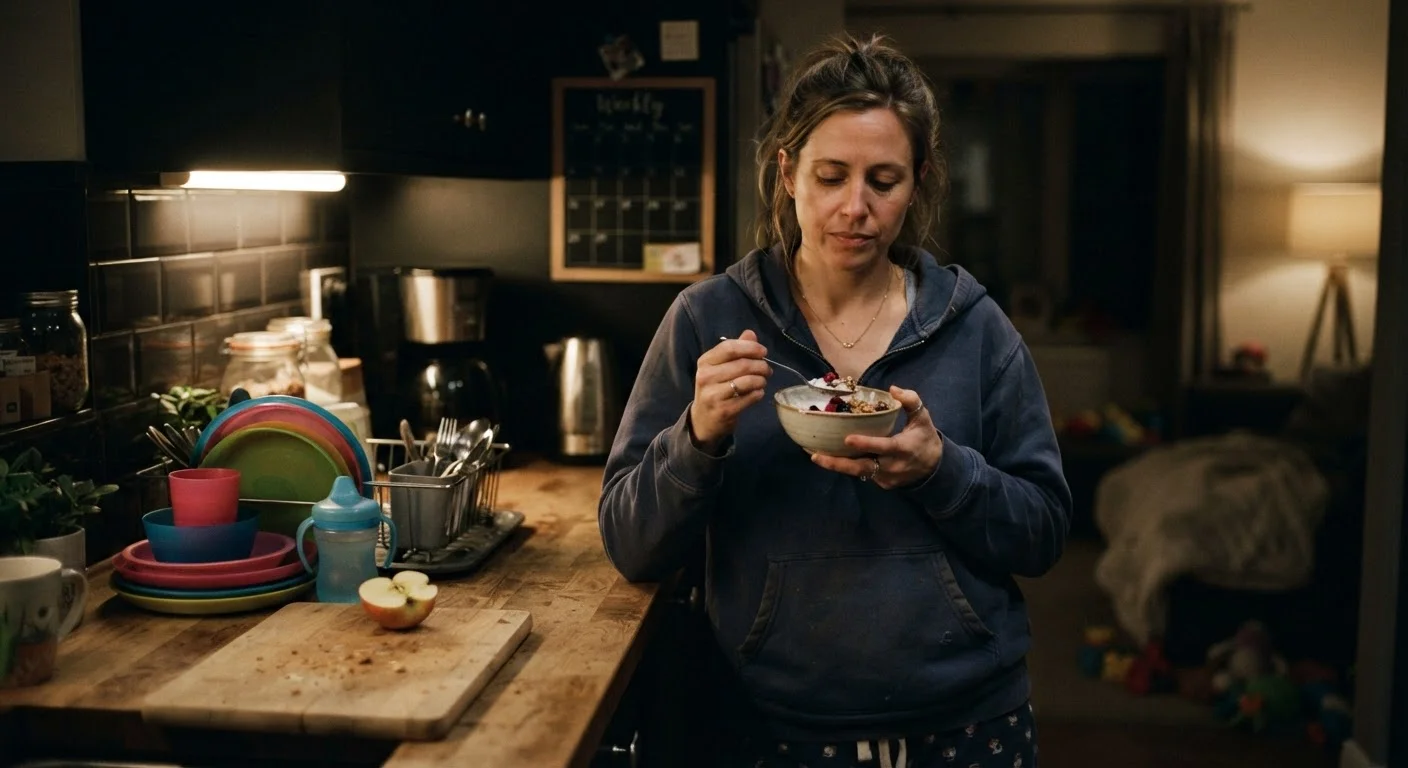
If you routinely finish what the kids left behind, eat standing over the sink, or realize at 9 p.m. that you've barely eaten all day - you're not alone, and you're not doing anything wrong. The structure of caregiving naturally pushes parent needs to the bottom. But chronic under-eating or low-quality eating affects energy, mood, and the patience reserves you draw on all day long.
This isn't about willpower or motivation. It's about environment. When nutritious food isn't physically ready and accessible for you, you'll reach for whatever's fastest - or nothing at all. The goal here is to make the easier choice the better one, without adding meaningful time to your day.
Nutrition for parents is also part of a broader picture. How you eat affects how you model food behavior for your children. Our guide on what parents often get wrong when talking to children about food explores how adult eating patterns quietly shape kids' long-term food relationships.
Small Consistent Habits Beat Perfect Days
You don't need to eat perfectly - you need to eat regularly. Even modest improvements in meal consistency tend to have a meaningful effect on energy levels and mood stability. Aim for progress that's sustainable on your worst days, not just your best ones.
What You'll Need Before You Start
These steps don't require special equipment or a meal planning system. A few pantry staples and a small shift in grocery habits are all it takes to get started.
What you will need
Reusable food containers (various sizes)
For storing prepped grab-and-go portions in the fridge so they're immediately accessible.
Canned beans, lentils, or chickpeas
Quick, affordable protein and fiber that requires no cooking and keeps for months.
Frozen vegetables
A nutritionally comparable and cost-effective alternative to fresh produce that doesn't spoil quickly.
Hard-boiled eggs (batch-prepped)
A portable, protein-dense snack that can be made ahead and kept in the fridge for several days.
Step-by-Step: Building Nutrition Habits That Run Themselves
The following steps are designed to be layered gradually. You don't need to do all of them at once - even one or two can meaningfully shift how you're eating by the end of the week.
Anchor your eating to an existing daily habit
Choose one thing you already do every day - making coffee, packing lunch boxes, or starting the school run - and attach a simple eating moment to it. Even a handful of nuts, a piece of fruit, or a container of yogurt counts. The goal isn't a full breakfast; it's breaking the pattern of going hours without eating at all.
Build a short list of 'parent staples' and keep them stocked
Identify five to seven foods that require no cooking and that you personally enjoy eating. Eggs, canned chickpeas, natural peanut butter, whole grain crackers, frozen edamame, and pre-washed leafy greens are common choices. These become your nutritional safety net when the planned meal didn't happen or ran out.
When doing the family grocery run, add these items as non-negotiables alongside everything else. Think of them the same way you think of kids' snacks - as necessary household staples, not optional extras.
Plate your own food at the same time as everyone else's
Before you serve anyone else, put food on your own plate first - or at the same moment. This single habit change prevents you from ending up with the cold, scraped-together remains. It also means you sit down with something intentional rather than grazing absently while cleaning up.
Prepare one grab-and-go container at the start of each week
Spend five minutes on Sunday (or whichever day works) assembling one container of something ready to eat: cooked grains, sliced vegetables, hard-boiled eggs, or a bean salad. This becomes your default when the day accelerates and there's no time to think. It doesn't need to be elaborate - even a container of cut fruit with a portion of cheese qualifies.
Set a midday check-in reminder for the first two weeks
Most parents can remember to eat breakfast and dinner more reliably than lunch. Use a phone alarm labeled something like 'eat something' as a neutral prompt - not a rule, just a nudge. After two weeks, this midday pause often becomes habitual without the reminder.
For families interested in a more structured approach to efficient cooking, our article on batch cooking for busy families covers how a single weekend session can carry you through most of the week.
Eating Alongside Your Family - Not After Them
One of the most effective shifts a time-pressed parent can make is to stop treating family meals as a service event and start sitting down as a participant. This doesn't require serving restaurant-style. It means plating your own food at the same time you plate theirs, even if the portions are smaller or the composition is slightly different.
Research consistently shows that shared family meals support better nutritional outcomes for both children and adults. They also reduce the mental load of managing separate eating occasions. If weeknight dinners are frequently falling apart for your family, the why family dinners keep falling apart article offers practical adjustments that don't require a complete schedule overhaul.
If you're also thinking about the broader eating patterns that support adult health on a budget, affordable eating patterns that support long-term family health is worth a read alongside this guide.
This article is for general informational purposes only and is not a substitute for personalized advice from a registered dietitian or qualified healthcare professional. If you have specific health conditions or concerns about your nutritional needs, please consult a healthcare provider.
The content provided on our blog site traverses numerous categories, offering readers valuable and practical information. Readers can use the editorial team’s research and data to gain more insights into their topics of interest. However, they are requested not to treat the articles as conclusive. The website team cannot be held responsible for differences in data or inaccuracies found across other platforms. Please also note that the site might also miss out on various schemes and offers available that the readers may find more beneficial than the ones we cover.