

The Logic Behind Putting It Off
When money is tight, it's easy to rationalize skipping a $80 oil change or letting a small brake squeal ride for another week. The repair exists now, the consequence feels abstract, and something else always needs the money. This is the psychology behind most deferred maintenance - not carelessness, just competing priorities.
The problem is that cars don't pause while you wait. Mechanical wear is cumulative. A minor issue left unattended creates new stress on surrounding parts, which then begin failing in turn. The $80 you saved today can quietly multiply into a repair bill several times larger.
If budget pressure is the core issue, it helps to see maintenance alongside the other vehicle costs families often miss. Our guide on overlooked vehicle costs covers expenses that families routinely fail to budget for - and small repairs belong on that list.
Skipping or delaying oil and filter changes.
Why it happens: Oil changes feel routine and easy to push back a few weeks when cash flow is tight or schedules are full.
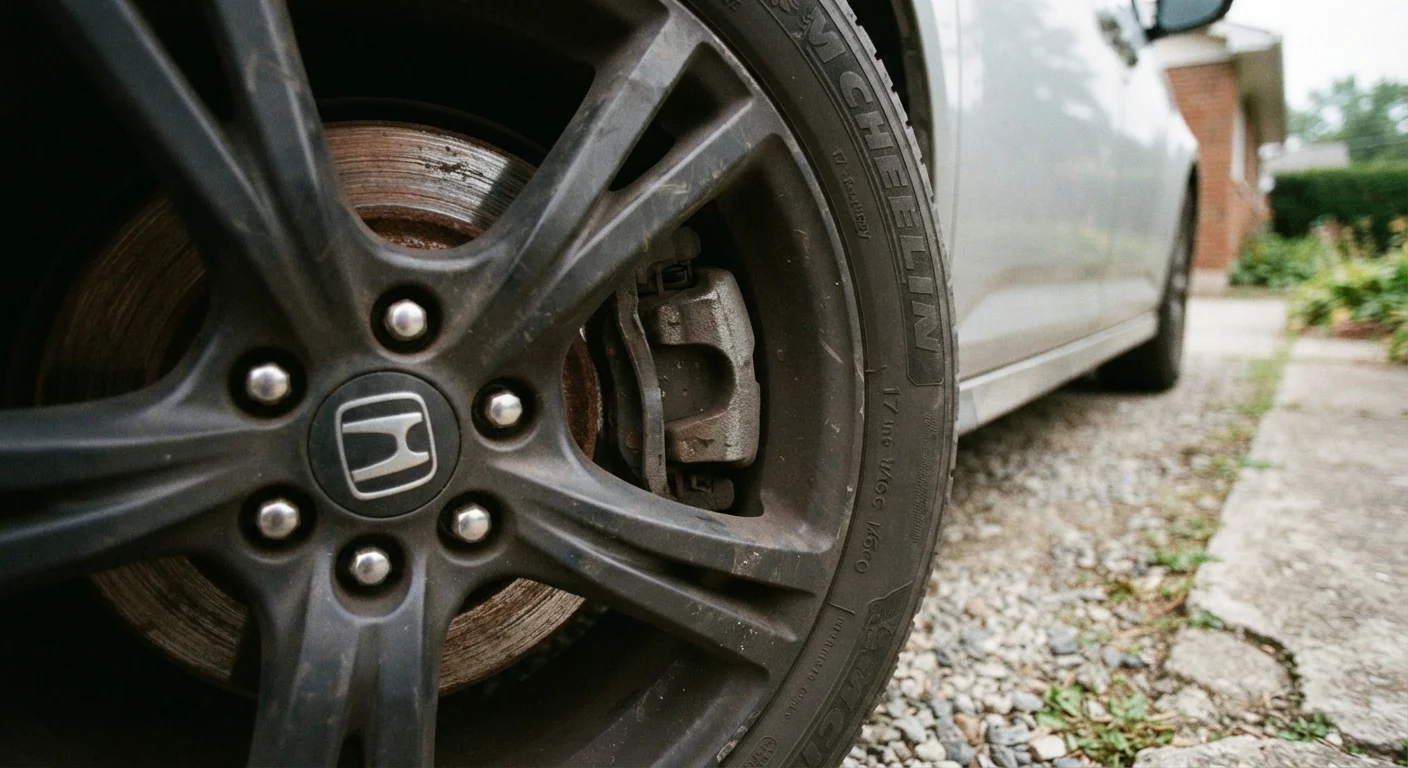
Ignoring brake noise until pads are fully worn.
Why it happens: A squeal or grind can sound like a minor annoyance, and drivers assume there's more pad life left than there actually is.
Letting tires run underinflated or wear unevenly without rotation.
Why it happens: Tire pressure changes gradually, and skipping rotations saves a small fee in the short term.
Postponing coolant flushes and hose inspections.
Why it happens: Coolant isn't something drivers see or smell until a problem surfaces, making it easy to overlook during routine checkups.
Ignoring dashboard warning lights, especially the check-engine light.
Why it happens: Warning lights are often dismissed as sensor glitches, and many drivers don't want to pay for a diagnostic scan when the car seems to drive normally.
The Cost of Waiting: What the Damage Usually Looks Like
The math isn't complicated, but it helps to see it spelled out. An ignored oil change doesn't just mean dirty oil - it means accelerated engine wear, sludge buildup, and in severe cases, seized engine components that can cost thousands to replace. A noisy brake pad that gets put off doesn't just wear down further - it begins scoring the rotor, turning a $150 pad replacement into a $400-plus brake job.
$1,200+
Average cost of an engine repair from oil neglect
Industry repair data consistently shows that engine damage from sludge buildup - typically caused by infrequent oil changes - runs well into four figures for parts and labor.
2-3×
Cost multiplier when brake rotors must be replaced
Allowing brake pads to wear past the minimum threshold typically means resurfacing or replacing rotors as well, doubling or tripling the total repair cost versus pad replacement alone.
This pattern - small neglect, compounding damage - runs through almost every maintenance category. Coolant that isn't flushed on schedule breaks down and becomes corrosive, attacking hoses, the water pump, and eventually the radiator. A cracked serpentine belt, which costs relatively little to replace, can strand a vehicle entirely if it snaps while driving and may damage the alternator and power steering in the process.
The decision to keep your current vehicle rather than replace it only pays off when the car is properly maintained. Our article on keeping a car longer versus upgrading explains when that calculation works in a family's favor - and proper upkeep is central to that math.
It's also worth noting that this pattern isn't unique to cars. Families who've read about preventive versus emergency vet care will recognize the same logic: small, scheduled interventions prevent large, unplanned ones.
This article is for general informational purposes only. For diagnosis and repair of specific vehicle issues, consult a qualified mechanic.
The content provided on our blog site traverses numerous categories, offering readers valuable and practical information. Readers can use the editorial team’s research and data to gain more insights into their topics of interest. However, they are requested not to treat the articles as conclusive. The website team cannot be held responsible for differences in data or inaccuracies found across other platforms. Please also note that the site might also miss out on various schemes and offers available that the readers may find more beneficial than the ones we cover.