

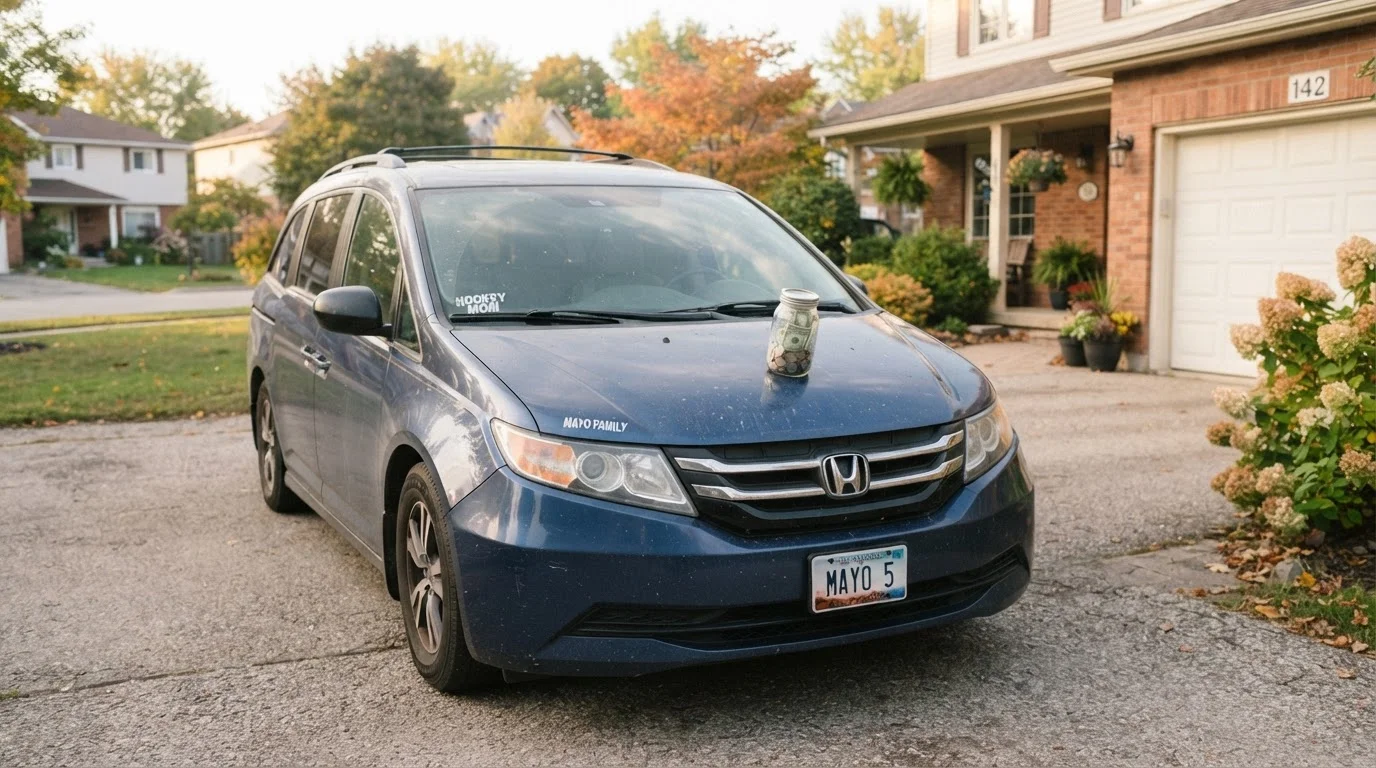
Why a Separate Vehicle Fund Makes Financial Sense
Car trouble rarely arrives with advance notice. A blown tyre on the school run, a failed alternator the week before a road trip, or a cracked windshield from highway debris - these are the moments that can derail a household budget if you haven't prepared. A vehicle emergency fund is a ring-fenced pot of money reserved exclusively for car-related surprises.
It's worth distinguishing this from your broader household emergency fund. As explained in our guide on what an emergency fund actually does, that larger reserve typically covers several months of living expenses. Your vehicle fund is smaller and more targeted - built to absorb repair bills without you touching that bigger safety net or reaching for a credit card.
You might also hear about "sinking funds" - savings pots built up in advance for predictable costs like annual servicing or tyre replacements. Our overview of planning for predictable irregular costs covers those well. A vehicle emergency fund complements a sinking fund: the sinking fund covers what you expect; the emergency fund covers what you don't.
Pair Financial and Physical Preparedness
A vehicle emergency fund handles the money side of car trouble, but families also benefit from being physically prepared on the road. Our guide on what to keep in a family vehicle covers the practical gear side. Teaching children basic response steps is equally worthwhile - see how to prepare kids for a breakdown or minor crash.
How to Size and Build Your Vehicle Emergency Fund
There's no universal number that works for every family, but a practical starting point is between $500 and $1,500. Families with older vehicles, high annual mileage, or a single car that the whole household depends on should lean toward the higher end. Those with newer vehicles under warranty may be comfortable starting lower.
What you will need
Once you have a target, the steps below walk you through setting up and maintaining the fund. The key principle: treat your contribution like a fixed bill, not a leftover afterthought.
Set a realistic savings target
Review your vehicle's age, make, mileage, and any known wear items flagged at your last service. Older vehicles or those approaching high-mileage thresholds typically carry higher repair risk. Use this to choose a target range - most families starting out do well aiming for $500 initially, then building toward $1,000-$1,500 over the following year.
Open a dedicated, named savings account
Open a separate savings account and label it clearly - "Car Emergency Fund" works well. Keeping it separate from your everyday account reduces the temptation to dip into it for non-vehicle expenses. Many banks and credit unions allow you to nickname sub-accounts at no cost.
Automate a fixed monthly transfer
Set up an automatic transfer from your main account to the vehicle fund on payday. Even $25-$50 per month will build a meaningful cushion over six to twelve months. Automating removes the decision from your hands - the money moves before you have a chance to spend it elsewhere.
Supplement with irregular windfalls
Tax refunds, work bonuses, or cash gifts are natural opportunities to top up the fund quickly. Rather than allocating the entire windfall to one goal, earmark a portion - even 10-20% - to the vehicle fund. This can dramatically shorten the time it takes to reach your target.
Replenish promptly after a withdrawal
When you do use the fund for a repair, treat replenishment as a priority in the following months. Increase your automatic transfer temporarily until the balance is restored. A depleted fund offers no protection - getting it back to target quickly is part of the system working as intended.
After the fund is established, revisit it annually. Check your vehicle's service history, note any ageing components flagged by your mechanic, and adjust your target if the car is getting older. Pairing financial preparation with practical readiness is equally important - see what safety guidance recommends keeping in a family vehicle for the physical side of car emergency planning.
Don't Confuse This Fund With Routine Maintenance Savings
Scheduled servicing, annual tyre rotations, and brake inspections are predictable costs - they belong in a sinking fund, not your emergency reserve. Mixing the two can leave you under-prepared when a genuine surprise strikes. Keep the funds separate and sized for their distinct purposes. Our article on sinking funds as a practical savings tool explains how to structure that side of your car budget.
The content provided on our blog site traverses numerous categories, offering readers valuable and practical information. Readers can use the editorial team’s research and data to gain more insights into their topics of interest. However, they are requested not to treat the articles as conclusive. The website team cannot be held responsible for differences in data or inaccuracies found across other platforms. Please also note that the site might also miss out on various schemes and offers available that the readers may find more beneficial than the ones we cover.