

Why Irregular Costs Break Budgets
Most family budgets account for rent, groceries, and utilities just fine. What trips people up are the costs that aren't monthly - car registration in October, school supply shopping in August, holiday gifts in December. These expenses are entirely predictable, yet many households treat them like surprises, reaching for a credit card or raiding the emergency fund when they arrive.
That pattern creates a cycle: a big bill hits, you go into debt or deplete savings, then spend months recovering - only for the next irregular cost to catch you off guard again. A sinking fund breaks that cycle by spreading the cost across the months before it's due.
This isn't a complex financial product or an investment strategy. It's a straightforward saving habit that works because it matches how expenses actually occur in real family life - not always monthly, but rarely truly unexpected.
How to Set Up a Sinking Fund
The math is simple: estimate the total cost, count the months until you need the money, and divide.
- Identify the expense. Be specific. "Car costs" is vague; "annual registration and two service appointments" is actionable.
- Estimate the total. Review last year's receipts or call for a rough quote. Slightly overestimating is fine - any surplus rolls forward.
- Set a monthly contribution. If holiday gifts typically run $600 and you start in January for a December deadline, that's $600 ÷ 11 months = roughly $55 per month.
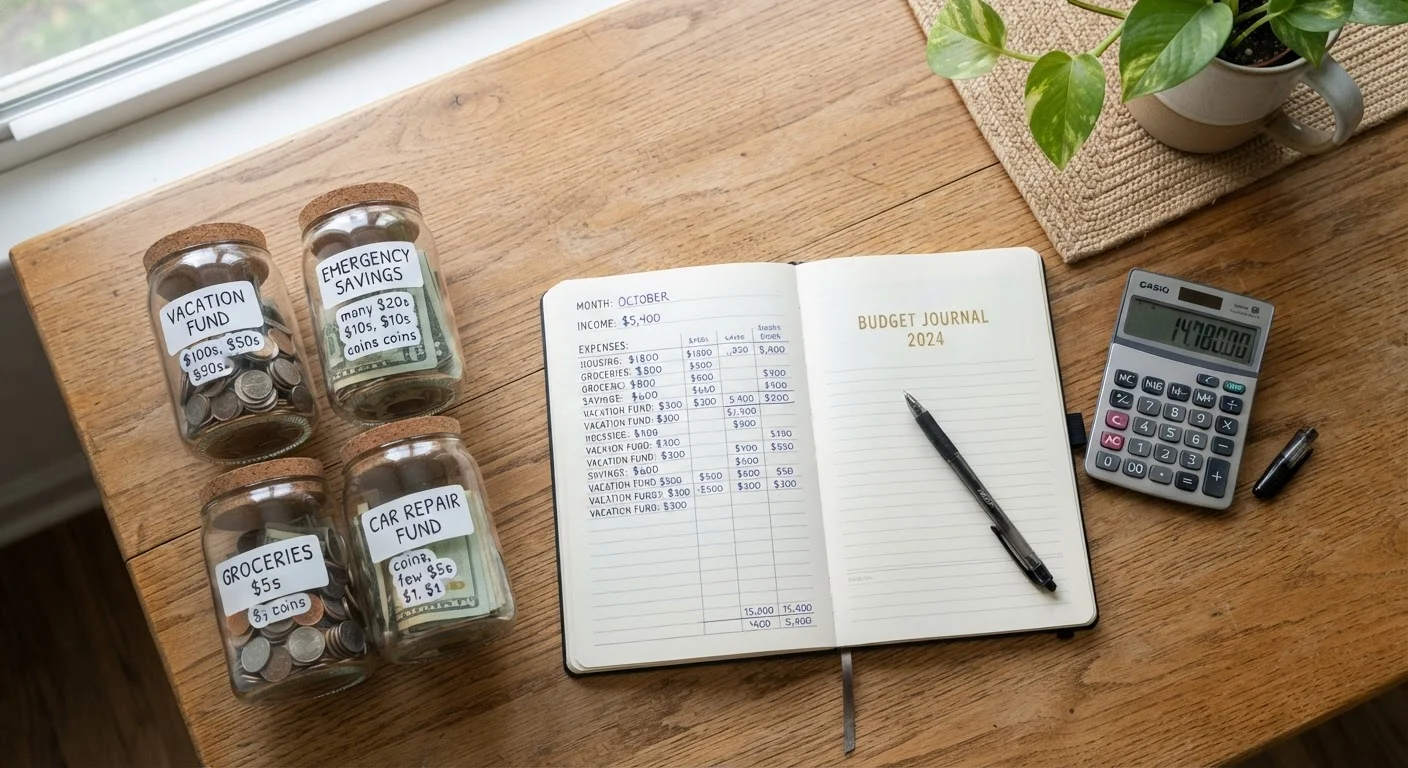
- Open a dedicated account or bucket. Many banks allow you to label sub-savings accounts. Keeping the money visually and physically separate from your checking account is the most effective safeguard against spending it early.
- Automate the transfer. Moving money manually is easy to skip. Scheduling an automatic transfer right after payday removes the decision entirely. See our guide to automating family savings for setup tips.
Start With Just One Fund
If the concept feels overwhelming, pick the single biggest predictable expense coming up in the next six months and create one fund for it. Once you've experienced a bill arriving with money already saved, the habit tends to stick and you'll naturally want to add more categories.
Common Sinking Fund Categories for Families
Every household's list will look a little different, but these categories cover the costs that most commonly derail family budgets:
~$1,000
Average US household annual vehicle maintenance cost
AAA has historically estimated average vehicle ownership and operating costs; maintenance and repair figures vary widely by vehicle age and type.
$661
Average US holiday gift spending per person
According to the National Retail Federation's annual holiday spending surveys, individual gift budgets have consistently exceeded $600 in recent years.
- Vehicle costs
- Oil changes, tires, registration, and the occasional repair. Families with older vehicles especially benefit from a dedicated car fund - explore practical approaches to building a vehicle fund.
- School expenses
- Back-to-school supplies, field trip fees, yearbooks, and activity sign-ups tend to cluster in late summer and fall.
- Holiday and gift spending
- Birthdays, winter holidays, and family occasions are predictable by the calendar. Funding them in advance eliminates December credit card stress.
- Home maintenance
- HVAC servicing, appliance replacement, gutter cleaning - homes generate regular irregular costs. A general home fund smooths these out.
- Medical and dental
- Annual eye exams, dental cleanings, and co-pays that fall outside monthly budgets. Note: a sinking fund covers predictable routine costs; your emergency fund should handle unexpected medical crises. See what an emergency fund covers for the distinction.
Sinking Funds as a Family Money Lesson
Sinking funds are also a practical, low-stakes way to teach kids how saving works in the real world. A child saving $5 a month toward a $50 birthday gift for a sibling - over ten months - experiences the full arc of delayed gratification and purposeful saving. That's a foundational money skill that abstract conversations about saving rarely deliver. The Kids & Money hub has more ideas for building financial literacy at home.
For the household overall, running a few sinking funds shifts the emotional experience of bills from dread to routine. When the car registration arrives, the money is already sitting there. That shift - from reactive to proactive - is the real value of the practice.
This article is for general informational and educational purposes only and does not constitute personalized financial advice. Consider consulting a qualified financial professional for guidance specific to your situation.
Frequently Asked Questions
An emergency fund is for unexpected, unplanned expenses like a sudden job loss or medical crisis. A sinking fund is for costs you already know are coming - like annual car insurance or holiday gifts. Both matter, but they serve different purposes and should ideally be kept separate. See our <a href="/family-finance/saving-and-debt/rainy-day-fund-vs-emergency-fund-are-they-the-same-thing">comparison of rainy-day and emergency funds</a> for more detail.
There's no magic number - start with your two or three most predictable large costs and expand from there. Common categories include car maintenance, school expenses, holidays, and home repairs. Managing too many at once can feel overwhelming, so build the habit gradually.
A high-yield savings account or a bank that offers sub-account 'buckets' works well. The goal is to keep the money accessible but clearly separated from your everyday checking account so it isn't accidentally spent.
Save whatever you can and recalculate. If you contribute less one month, divide the remaining balance by the months left to update your target. Partial progress is still progress - any amount saved in advance reduces the financial shock when the bill arrives.
Yes, though it takes a bit more flexibility. Prioritize funding sinking funds in higher-income months and lower the target in leaner months. Our article on <a href="/family-finance/saving-and-debt/approaches-that-help-families-save-consistently-on-variable-incomes">saving consistently on variable incomes</a> covers practical strategies for irregular pay cycles.
The content provided on our blog site traverses numerous categories, offering readers valuable and practical information. Readers can use the editorial team’s research and data to gain more insights into their topics of interest. However, they are requested not to treat the articles as conclusive. The website team cannot be held responsible for differences in data or inaccuracies found across other platforms. Please also note that the site might also miss out on various schemes and offers available that the readers may find more beneficial than the ones we cover.