

Why Frugal Instincts Can Backfire with Pet Care
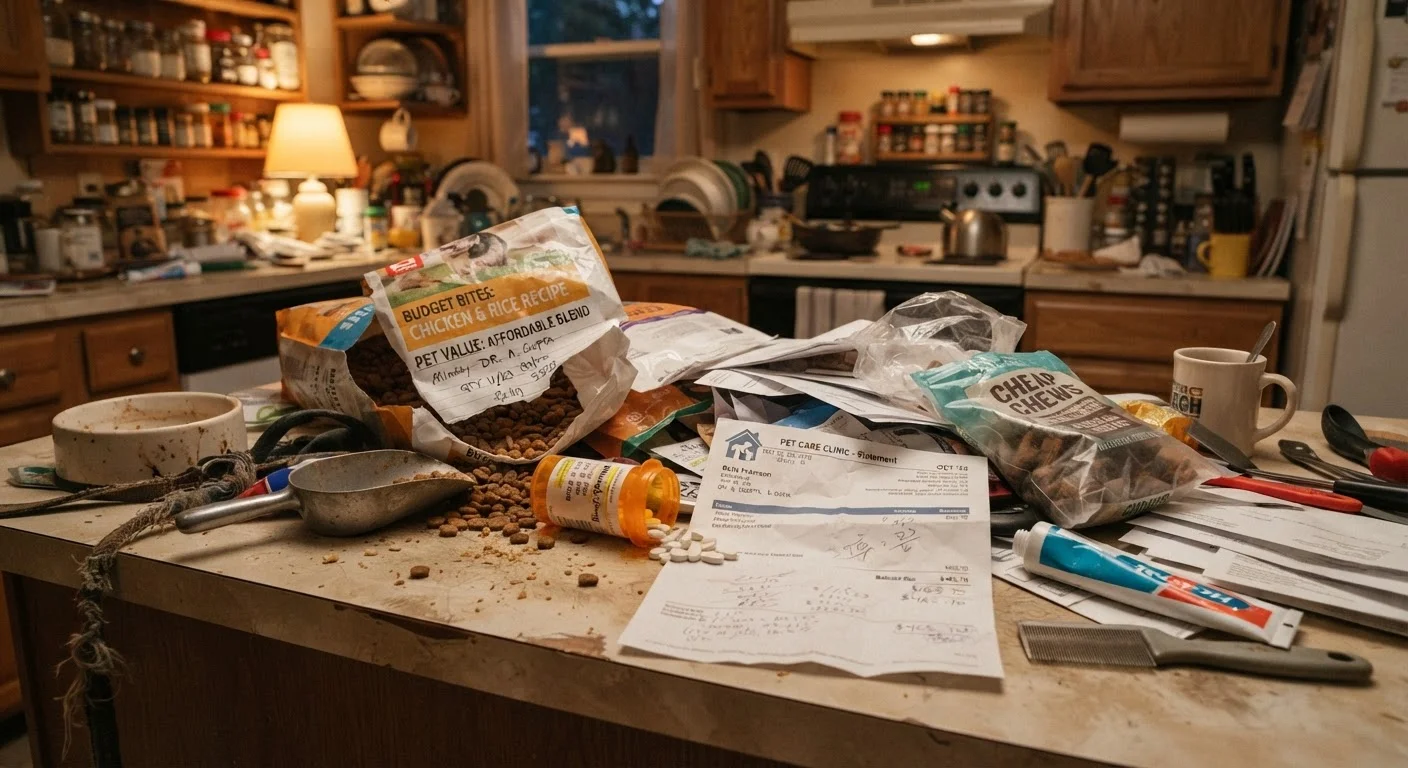
Budget-conscious families apply the same instincts to pet care that work well elsewhere: buy the store brand, skip appointments when things seem fine, handle tasks yourself. With pets, however, some of those moves reliably create larger expenses down the line. Understanding which shortcuts backfire - and why - is the difference between smart saving and costly false economy.
It helps to think of pet care the way you'd think about car maintenance. As our article on why skipping small car repairs costs more explains, deferred maintenance predictably generates bigger repair bills. The same logic applies to your pet's health. The hidden costs of pet ownership often stem not from unavoidable expenses but from avoidable ones that were delayed too long.
Skipping Vet Visits Has a Real Cost
Routine wellness exams catch developing conditions - from heart murmurs to dental disease - before they become emergencies. According to veterinary industry data, emergency vet visits typically cost three to five times more than a comparable preventive appointment. Families who skip annual checkups to save money frequently end up spending far more when an undetected condition reaches a crisis point.
The Most Expensive "Cheap" Decisions Pet Owners Make
The mistakes below are among the most common - and most financially damaging - shortcuts families take when trying to manage pet costs. Each one tends to feel reasonable in the moment but generates outsized expenses later.
Skipping or spacing out annual veterinary checkups to avoid the cost.
Why it happens: Vet visits feel like a discretionary expense when a pet seems healthy, and the upfront cost is easy to postpone.
Choosing the cheapest available pet food based on price per bag alone.
Why it happens: Pet food marketing is confusing, and the lowest-priced option on the shelf looks like responsible budget management.
Ignoring dental health because professional cleanings seem expensive.
Why it happens: Dental disease in pets is largely invisible until it's advanced, making it easy to deprioritize when budgets are tight.
Attempting risky DIY grooming tasks to avoid professional grooming fees.
Why it happens: Basic grooming looks straightforward, and tutorial videos make complex tasks seem simple.
Using human medications or outdated pet prescriptions to treat a sick pet.
Why it happens: Families try to avoid a vet bill by repurposing medications they already have at home.
For families genuinely working with a tight budget, the goal isn't to spend more - it's to spend strategically. Our complete guide to affordable pet care lays out a practical framework for doing exactly that, from daily nutrition to emergency planning.
What Genuine Savings Actually Look Like
Real savings in pet care come from prevention, not avoidance. The math is explored in detail in our piece on preventive vet care vs. emergency visits, but the core principle is straightforward: conditions caught early cost less to manage than conditions caught late.
3-5×
Emergency vs. preventive vet visit cost ratio
Veterinary industry estimates consistently show emergency treatment costs multiples more than the preventive appointments designed to catch problems early.
80%
Dogs with dental disease by age 3
The American Veterinary Dental College has noted that the majority of dogs show signs of dental disease by their third year, often without obvious symptoms owners would notice.
$1,000+
Typical cost of treating a preventable condition
Conditions like obesity-related joint disease, untreated dental infections, and parasitic illness frequently generate treatment costs well into four figures when caught late.
Practical, genuine cost-savers include: enrolling in a wellness plan through your vet practice (which spreads predictable costs across the year), maintaining a dedicated pet emergency fund even if it starts small, and doing appropriate at-home care - brushing, portion control, regular parasite prevention - consistently. These habits don't require a large budget; they require consistency. The families who spend the least on pet care over a pet's lifetime tend to be the ones who stayed current on the basics, not the ones who cut the most corners.
The content provided on our blog site traverses numerous categories, offering readers valuable and practical information. Readers can use the editorial team’s research and data to gain more insights into their topics of interest. However, they are requested not to treat the articles as conclusive. The website team cannot be held responsible for differences in data or inaccuracies found across other platforms. Please also note that the site might also miss out on various schemes and offers available that the readers may find more beneficial than the ones we cover.