

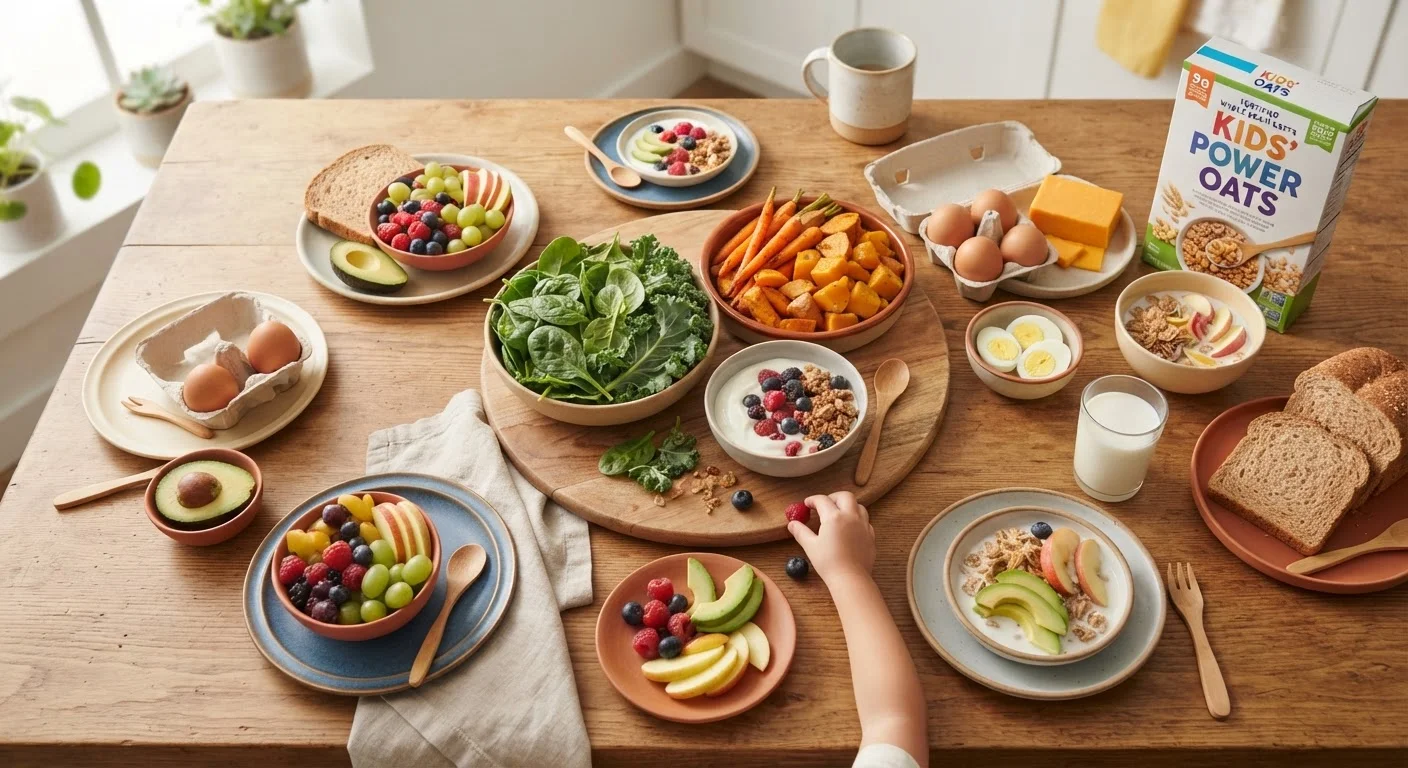
Why These Three Nutrients Stand Out
Most children eating a typical American diet get plenty of calories - but calories and nutrients are not the same thing. National nutrition surveys, including data gathered through the CDC's National Health and Nutrition Examination Survey (NHANES), consistently show that iron, calcium, and vitamin D are among the most common shortfalls in children's diets across age groups.
Each of these nutrients plays a foundational role during childhood growth, and gaps during key developmental windows can have lasting effects. The good news: understanding what each nutrient does and where it comes from makes it much easier to build meals that cover the bases - without overhauling everything at once.
For a broader picture of how children's nutritional requirements shift over time, see Why Children's Nutritional Needs Change as They Grow.
Iron: Building Blood and Brainpower
Iron is essential for producing hemoglobin - the protein in red blood cells that carries oxygen throughout the body. Children who don't get enough iron may develop iron-deficiency anemia, which can cause fatigue, difficulty concentrating, and slower cognitive development. Toddlers (ages 1-3) and adolescent girls are at the highest risk.
Food Sources of Iron
- Heme iron (absorbed more readily): lean beef, chicken, turkey, canned tuna, and other meats
- Non-heme iron (plant-based): beans, lentils, tofu, fortified cereals, spinach, and pumpkin seeds
A practical tip backed by nutrition research: pairing non-heme iron sources with foods high in vitamin C - such as bell peppers, strawberries, or orange juice - can significantly improve iron absorption. Conversely, calcium-rich foods consumed at the same time may slightly reduce iron absorption, so very high-calcium foods are best enjoyed at a separate meal when iron intake is a concern.
If you suspect your child may be low in iron, speak with your pediatrician before considering any supplement. Blood tests can confirm status and guide appropriate next steps.
Calcium and Vitamin D: The Bone-Building Partnership
Calcium and vitamin D work so closely together that it makes sense to address them side by side. Calcium is the primary mineral in bones and teeth, while vitamin D regulates how well the body absorbs and uses that calcium. Without adequate vitamin D, even a calcium-rich diet won't fully protect bone health.
Calcium-Rich Foods
- Dairy: milk, plain yogurt, and cheese are the most concentrated dietary sources
- Non-dairy options: fortified plant milks (soy, oat, almond), canned salmon with bones, white beans, kale, and broccoli
Vitamin D Sources
- Sunlight triggers vitamin D synthesis in skin, but factors like geographic latitude, skin tone, sunscreen use, and time spent indoors limit how much most children make this way
- Food sources are limited: fatty fish (salmon, sardines), egg yolks, and foods fortified with vitamin D (many milks, cereals, and some orange juices)
The American Academy of Pediatrics (AAP) has noted that vitamin D insufficiency is common among children in the U.S., particularly in northern states during winter months. Speak with your child's healthcare provider about whether a vitamin D supplement is appropriate - this is especially relevant for breastfed infants and children with limited sun exposure or dietary variety.
For age-specific guidance on what a balanced plate looks like, What 'Balanced Eating' Actually Means for Children at Different Ages is a helpful companion read.
Simple, Realistic Ways to Close the Gap
Closing nutrient gaps doesn't require specialty products or elaborate meal plans. A few consistent habits go a long way:
- Offer variety across food groups. No single food covers all three nutrients, so rotating protein sources, dairy or fortified alternatives, and vegetables naturally broadens nutrient intake.
- Use fortified staples strategically. Fortified breakfast cereals and fortified plant milks are affordable, widely available ways to add iron and vitamin D to a child's daily routine.
- Make meals a shared priority. Children who eat regular family meals tend to have more diverse diets. If you're often eating on the run, Nutrition on Autopilot offers realistic strategies for busy households.
- Talk to your pediatrician at well-child visits. Routine checkups are an ideal time to flag any dietary concerns and ask whether blood work or targeted supplementation makes sense for your child.
For a fuller reference on what school-age children specifically need, see Essential Nutrients Every School-Age Child Needs. And for the broader picture on building healthy eating habits at home, Raising Children Who Eat Well provides thoughtful, practical guidance.
This article is for general informational purposes only and is not a substitute for professional medical advice. Always consult your child's healthcare provider regarding your child's specific nutritional needs, symptoms, or before starting any supplement.
The content provided on our blog site traverses numerous categories, offering readers valuable and practical information. Readers can use the editorial team’s research and data to gain more insights into their topics of interest. However, they are requested not to treat the articles as conclusive. The website team cannot be held responsible for differences in data or inaccuracies found across other platforms. Please also note that the site might also miss out on various schemes and offers available that the readers may find more beneficial than the ones we cover.