

Our Verdict
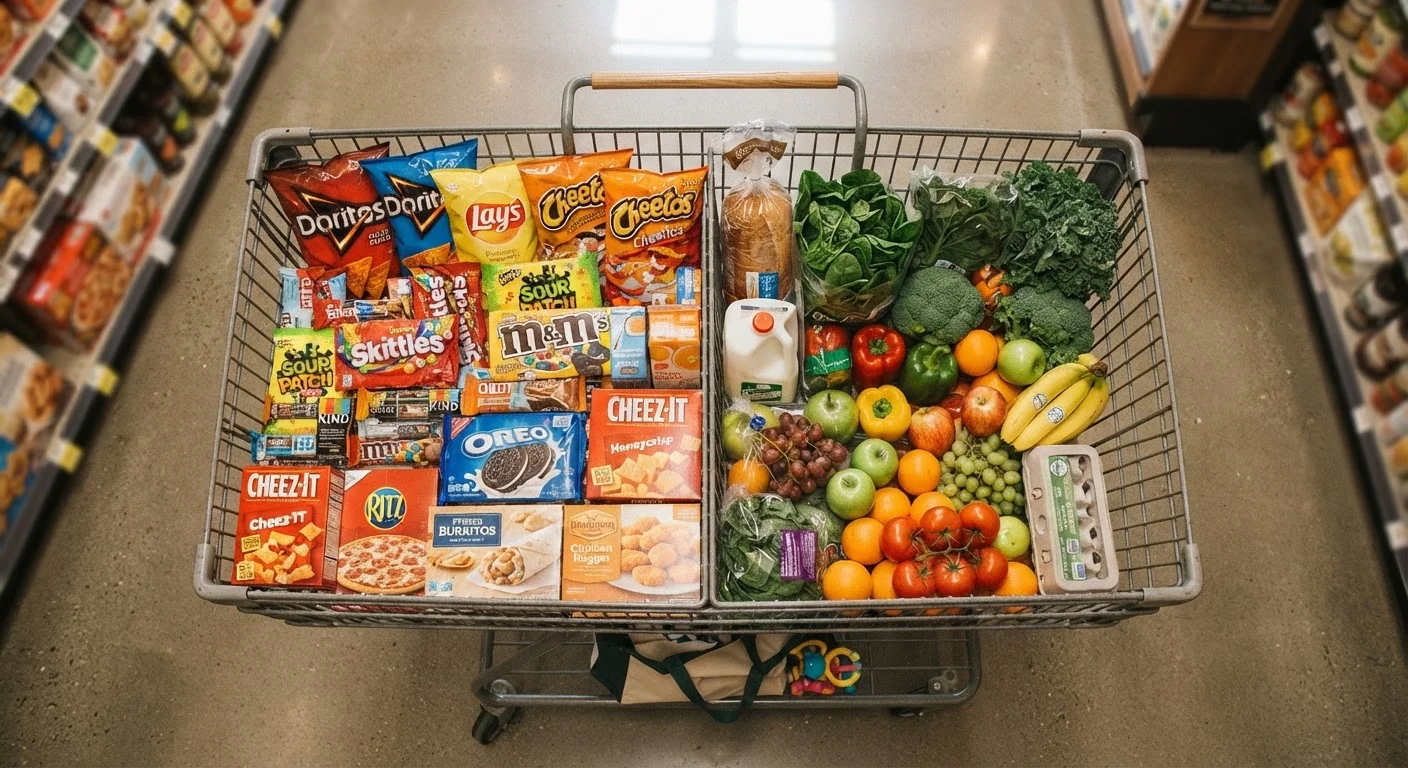
Ultra-processed foods are neither purely harmful nor simply beneficial - they exist on a spectrum, and their role in a family's diet depends heavily on real-world constraints. For families with limited time, tight budgets, or restricted access to fresh foods, these products fill genuine gaps. The most useful approach isn't elimination but informed awareness: understanding what's inside the package and gradually shifting the balance where it's feasible.
Families who want to make more intentional food choices without overhauling their budget or lifestyle will benefit most from understanding this trade-off clearly.
What 'Ultra-Processed' Actually Means
The term ultra-processed food comes from the NOVA classification system, developed by nutrition researchers to categorize foods by the degree of industrial processing they undergo. Ultra-processed foods go beyond simple preservation - they typically contain ingredients rarely found in a home kitchen: emulsifiers, artificial flavors, modified starches, and color stabilizers.
Common examples include packaged snack cakes, instant noodles, flavored chips, frozen ready-meals, and many breakfast cereals. This doesn't mean every product in these categories is nutritionally equivalent - a frozen vegetable stir-fry is processed very differently from a packaged pastry. But as a general category, ultra-processed foods tend to be higher in added sugar, sodium, and saturated fat, and lower in fiber and micronutrients than minimally processed alternatives.
Understanding this distinction matters because it changes how we evaluate the real cost - nutritional and financial - of convenience. For a fuller picture of how grocery spending breaks down, see where your grocery money actually goes.
The Real Advantages: Why Families Reach for These Foods
Before examining the downsides, it's worth taking seriously why ultra-processed foods are so prevalent in family shopping carts. The reasons are real, not just a failure of willpower or knowledge.
Low upfront cost per serving
Many ultra-processed products cost significantly less at the point of purchase than fresh or minimally processed equivalents, making them genuinely accessible for families on tight budgets.
Minimal preparation time required
Ready-to-eat or quick-cook formats reduce meal prep to minutes, a meaningful benefit for parents managing work, childcare, and household responsibilities simultaneously.
Long shelf life reduces food waste
Packaged and preserved foods can sit in a pantry for weeks or months, which helps families with unpredictable schedules avoid the financial loss of spoiled fresh food.
Familiar taste that children accept
Consistent flavor profiles engineered into these products mean kids often eat them without resistance, reducing mealtime conflict for already-stretched parents.
Widely available across income levels
Ultra-processed foods are stocked in dollar stores, gas stations, and discount retailers - making them one of the most geographically accessible food options for families in food deserts.
For families navigating shift work, school pickups, and tight finances, these products solve genuine daily problems. Dismissing their appeal ignores the structural pressures many households face. The conversation about the real trade-offs of tight family budgeting is relevant here - food choices rarely happen in a vacuum.
The Hidden Costs: Nutritional and Financial Trade-Offs
The sticker price on a box of processed snacks can look appealing, but the full cost picture is more layered than it first appears.
High in added sugar, sodium, and saturated fat
Research consistently links diets heavy in ultra-processed foods to higher intakes of these nutrients, which are associated with cardiovascular and metabolic health concerns over time.
Low in fiber and essential micronutrients
Processing often strips away naturally occurring vitamins, minerals, and fiber, leaving products that are calorie-dense but nutritionally thin - sometimes called 'empty calories.'
Per-calorie cost may be higher than perceived
When measured by nutritional value rather than just volume, some ultra-processed snacks deliver less satiety and fewer nutrients per dollar than dried legumes, eggs, or frozen vegetables.
May displace more nutritious meal components
Frequent reliance on convenience foods can crowd out whole foods that provide fiber, protein, and micronutrients that growing children and adults need for long-term wellbeing.
Potential for overconsumption due to engineered palatability
Flavor engineering in many ultra-processed products is designed to encourage continued eating, which can make portion control harder and lead to higher household spending over time.
Some additives lack long-term safety consensus
Certain emulsifiers and artificial additives used in ultra-processed foods are still being studied; while most are considered safe at regulated levels, emerging research continues to examine potential effects.
57%
Share of US daily calories from ultra-processed foods
According to research published in BMJ Open, ultra-processed foods account for more than half of daily caloric intake for many American adults and children.
67%
Of children's calories from ultra-processed sources
A study in JAMA found that the proportion of children's diets composed of ultra-processed foods increased substantially between 1999 and 2018.
~500mg
Extra sodium per day from ultra-processed diets
Dietary analyses suggest people consuming high levels of ultra-processed foods tend to exceed recommended daily sodium limits by several hundred milligrams on average.
It's also worth noting that added sugar is a significant concern in many ultra-processed products. Our overview of where sugar hides in the family diet explores this in more detail. Additionally, some widely held assumptions about grocery savings - like which foods are truly affordable per serving - are addressed in our piece on grocery budget myths families believe.
Practical Middle Ground: Balancing Convenience and Nutrition
The goal isn't to eliminate convenience foods but to use them more intentionally. A few evidence-informed strategies can help families shift the balance without adding stress or cost.
Not All Processed Foods Are Equal
The NOVA system distinguishes between minimally processed foods (like frozen vegetables or plain canned beans), processed foods (like cheese or cured meats), and ultra-processed products. Many nutritious, affordable pantry staples - canned tomatoes, oats, frozen edamame - are processed but not ultra-processed. Focusing concern on the ultra-processed end of the spectrum, rather than all packaged food, helps families make more targeted and realistic adjustments.
- Read the ingredient list, not just the label claims. Front-of-package marketing can be misleading. A shorter ingredient list with recognizable items generally signals less processing.
- Batch cooking when energy allows. Spending one afternoon making a large pot of beans, grains, or a simple sauce creates a convenience food on your own terms - and usually at lower cost per serving.
- Combine, don't replace. Pairing a convenience item (like canned beans or frozen corn) with a minimally processed base (rice, eggs, or fresh greens) raises the nutritional value of the overall meal without requiring a full overhaul.
For families thinking about kids' daily meals specifically, the packed lunch vs. school cafeteria debate offers a useful parallel lens on trade-offs.
This article is for general informational and educational purposes only and is not a substitute for personalized medical or nutritional advice. Consult a registered dietitian or qualified healthcare professional for guidance specific to your family's health needs.
The content provided on our blog site traverses numerous categories, offering readers valuable and practical information. Readers can use the editorial team’s research and data to gain more insights into their topics of interest. However, they are requested not to treat the articles as conclusive. The website team cannot be held responsible for differences in data or inaccuracies found across other platforms. Please also note that the site might also miss out on various schemes and offers available that the readers may find more beneficial than the ones we cover.