

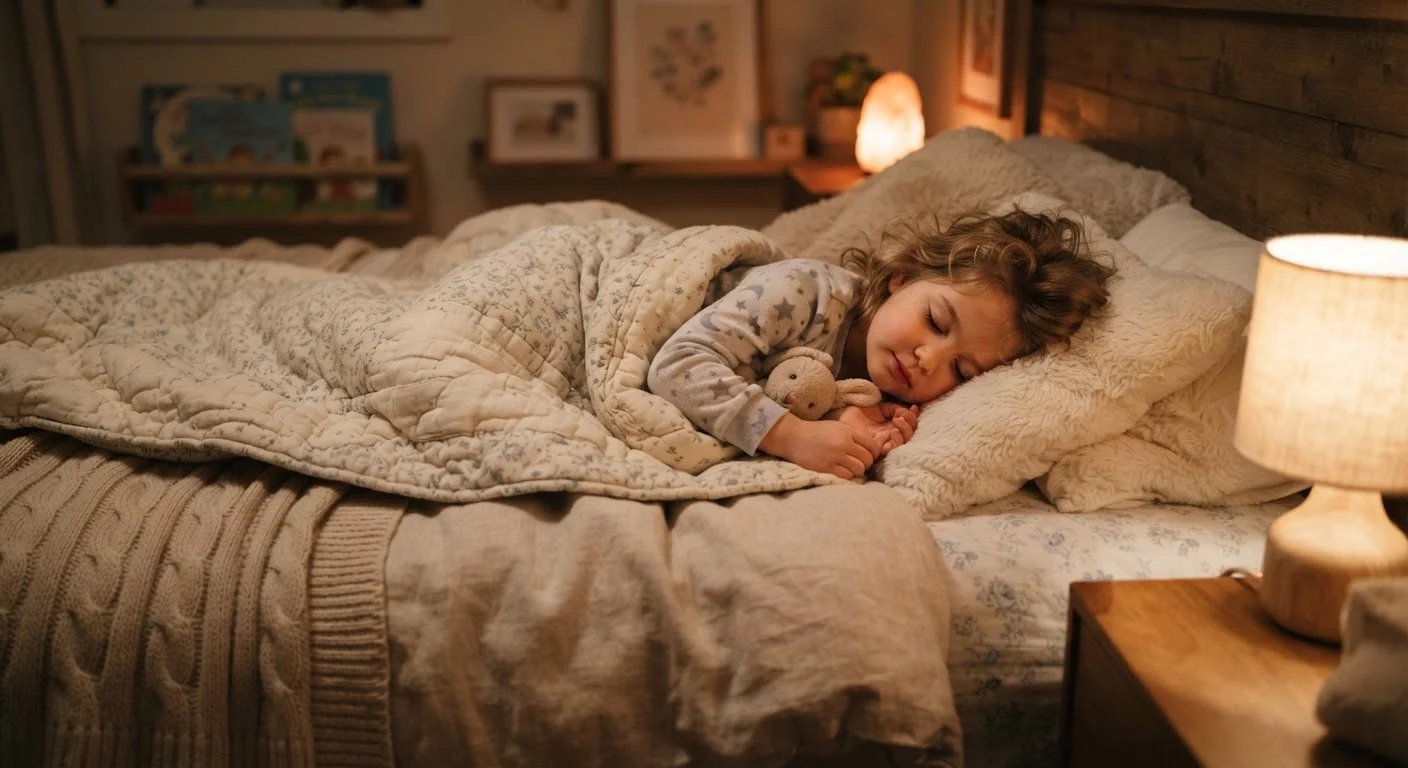
Why Sleep Is More Than Rest
Most parents know that a tired child is a cranky one. But sleep deprivation does more than affect mood - it quietly compromises the biological systems that protect children from illness. Understanding why sleep matters for immunity can help families make it a genuine health priority, not just a daily battle.
During sleep, and especially during the deeper non-REM stages, the body increases production of cytokines - proteins that help coordinate the immune system's response to infections and inflammation. Some cytokines are produced primarily during sleep, meaning the body cannot simply compensate by producing them at other times of day. When a child's sleep is consistently cut short or disrupted, cytokine levels can fall, leaving their defenses less prepared when a pathogen arrives.
Beyond cytokines, sleep also supports immune memory - the process by which the body "remembers" how to respond to a threat it has encountered before, whether through illness or vaccination. This is part of why sleep researchers have examined the link between sleep and vaccine effectiveness, with some studies suggesting that children and adults who sleep adequately around the time of immunization may develop stronger antibody responses.
What the Research Tells Us
The evidence connecting sleep duration and immune health in children is consistent across multiple lines of research. Studies examining sleep-deprived children have found measurable reductions in natural killer cell activity - a type of white blood cell that identifies and destroys infected cells. Other research has found that children who sleep fewer hours than recommended for their age group tend to experience more frequent upper respiratory infections.
9-12 hrs
Recommended nightly sleep for school-age children
Per American Academy of Sleep Medicine guidelines for children aged 6-12 years.
3x
Increased cold risk with less than 7 hours of sleep
A study published in Sleep found adults sleeping fewer than 7 hours were roughly three times more likely to develop a cold - similar mechanisms are observed in research on children.
~30%
of U.S. school-age children get insufficient sleep
CDC data indicates a substantial proportion of children regularly sleep fewer hours than recommended for their age group.
It's worth noting that the research in this area is still growing, and most studies show association rather than direct causation. Sleep is one piece of a larger health picture that includes nutrition, physical activity, stress, and environment. Still, the volume and consistency of findings make sleep one of the more modifiable factors families can address. For more on how daily habits - including predictable bedtimes - shape children's overall wellbeing, see our guide to daily habits that support children's resilience.
How Screen Time Fits In
One underappreciated factor in children's sleep quality is screen exposure in the hours before bed. Devices emit blue-spectrum light that suppresses melatonin, the hormone that signals to the brain that it's time to sleep. Even when children fall asleep at their usual time after screen use, the quality of that sleep - particularly the depth of restorative slow-wave sleep - may be affected.
Because immune-supportive processes happen predominantly in deeper sleep stages, a child who technically sleeps for nine hours but spends less time in slow-wave sleep may gain fewer immune benefits than a child whose sleep architecture is intact. Our balanced look at screen time and children's physical health covers this relationship in more depth, including what current evidence actually supports.
Practical Steps Families Can Take
Protecting children's sleep doesn't require a perfect home environment or expensive interventions. Small, consistent changes tend to have the greatest impact over time.
- Set a consistent bedtime: The body's internal clock - its circadian rhythm - functions best with regular sleep and wake times, even on weekends.
- Build a wind-down routine: A predictable sequence of calming activities signals to the brain that sleep is approaching. Even 20-30 minutes of quiet activity before lights-out can ease the transition.
- Limit screens before bed: Aim to power down devices at least an hour before bedtime to allow melatonin levels to rise naturally.
- Keep the sleep environment cool and dark: Both temperature and light influence sleep onset and depth.
- Address sleep concerns early: Snoring, frequent night waking, or persistent difficulty falling asleep can signal underlying issues worth discussing with a pediatrician.
Make Bedtime the Same Every Night
The single highest-impact habit for children's sleep is a consistent bedtime - including weekends. Even a 30-minute variation across the week can disrupt circadian rhythms and reduce sleep quality. Choose a realistic time and protect it as you would any other health routine.
Parents' own sleep matters too - and often suffers last. If you're navigating the challenge of prioritizing rest in a busy household, our piece on why parents are the last to rest offers a candid look at what chronic sleep deprivation does to adult health.
This article is for general informational and educational purposes only and is not a substitute for professional medical advice. Always consult your child's healthcare provider about concerns related to sleep, illness, or immune health.
Frequently Asked Questions
The American Academy of Sleep Medicine recommends 9-12 hours for school-age children (6-12 years), 8-10 hours for teenagers, and more for younger children and toddlers. These ranges support overall health including immune function. A pediatrician can help you evaluate whether your child's sleep is adequate for their age and development.
Research suggests that insufficient sleep reduces the production of protective immune proteins and weakens the body's first-line defenses against viruses. While sleep alone isn't the only factor in getting sick, chronic short sleep is considered a meaningful contributor to increased infection risk in children.
Some research in both children and adults indicates that sleep supports the immune memory process that makes vaccines effective. Getting adequate sleep in the days around an immunization may help the body mount a stronger protective response, though parents should discuss any specific concerns with their child's healthcare provider.
Consistency matters most. A predictable sequence of calming activities - such as a bath, quiet reading, and lights-out at the same time each night - signals the brain to prepare for sleep. Reducing screen exposure in the hour before bed also helps, as blue light can suppress melatonin production.
The occasional late night is unlikely to cause lasting immune harm. The concern is with chronic, repeated sleep deficits. If short sleep becomes a regular pattern, it may gradually erode immune resilience over time. Recovery sleep can help, but it doesn't fully offset the effects of ongoing deprivation.
The content provided on our blog site traverses numerous categories, offering readers valuable and practical information. Readers can use the editorial team’s research and data to gain more insights into their topics of interest. However, they are requested not to treat the articles as conclusive. The website team cannot be held responsible for differences in data or inaccuracies found across other platforms. Please also note that the site might also miss out on various schemes and offers available that the readers may find more beneficial than the ones we cover.