

Why These Myths Stick - and What They're Costing You
Car maintenance advice gets passed down through generations, workshops, and well-meaning neighbors - and a lot of it hasn't kept pace with how vehicles actually work today. Following outdated guidance isn't just inconvenient; it can quietly drain a family's budget through wasted fuel, unnecessary service visits, or - worse - preventable repairs.
The myths below are among the most common we encounter. Each one has a logical-sounding origin, which is part of why they persist. Understanding why they're wrong is just as useful as knowing what to do instead.
Myth
You need to warm up your engine for several minutes before driving, especially in cold weather.
Fact
Modern fuel-injected engines warm up faster and more efficiently while being driven gently - idling for long periods wastes fuel and can actually harm engine components.
This advice made sense for carbureted engines common before the 1980s, which needed time to stabilize fuel mixtures in cold air. Today's fuel-injected engines are controlled by computers that adjust automatically. The U.S. Department of Energy notes that idling uses roughly a quarter to half a gallon of fuel per hour and that the fastest way to warm a modern engine is simply to drive it at moderate speed for the first few minutes. Prolonged idling can wash oil off cylinder walls, increasing wear over time.
Myth
You must change your engine oil every 3,000 miles, no exceptions.
Fact
Most modern vehicles can go 5,000 to 10,000 miles - or more - between oil changes, depending on the oil type and driving conditions specified in the owner's manual.
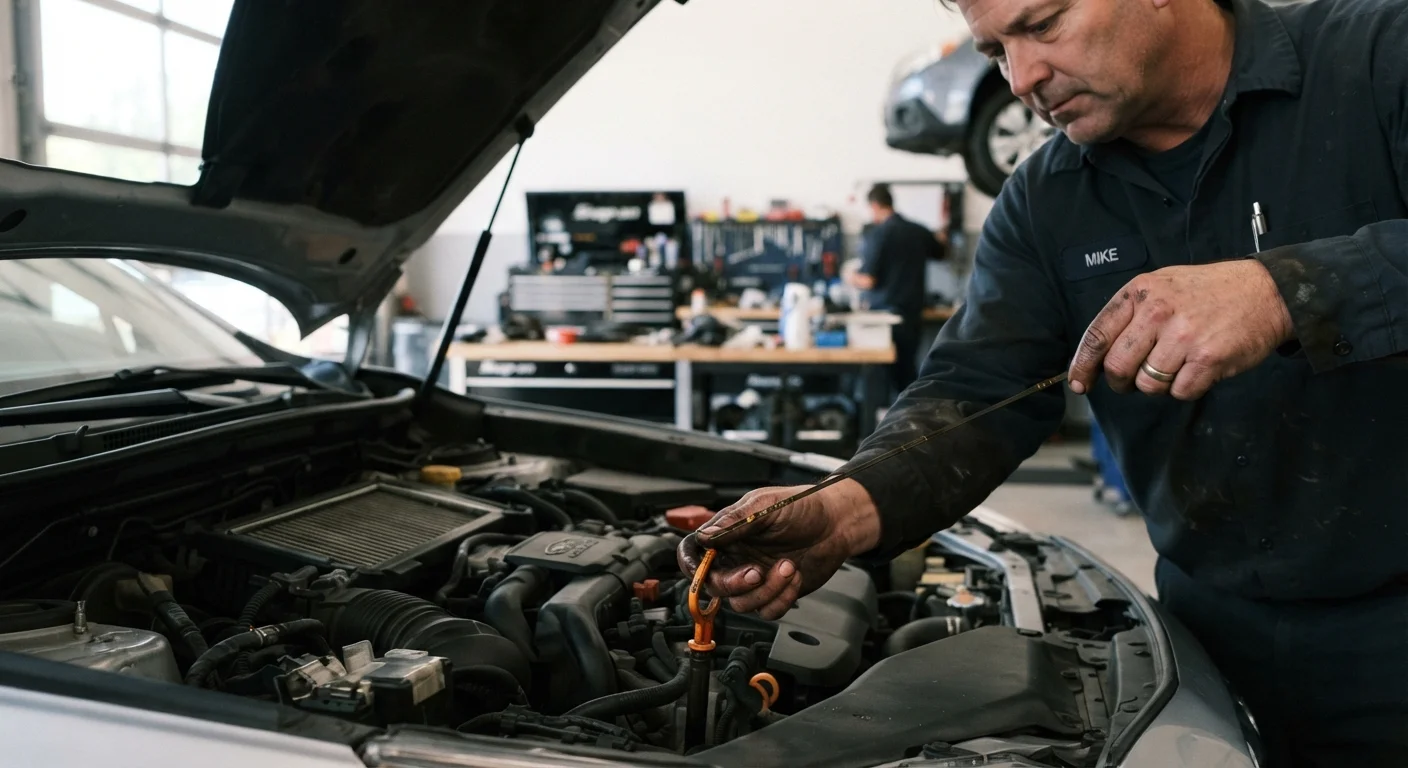
The 3,000-mile rule originated when conventional motor oil degraded more quickly and vehicles had less sophisticated engines. Synthetic oils and improved engine tolerances have extended service intervals considerably. The only reliable guide is your vehicle's owner's manual, which reflects the manufacturer's engineering data. Many cars also have an oil life monitoring system that calculates intervals based on actual driving patterns. Changing oil more often than necessary doesn't harm the engine, but it does cost families money they don't need to spend. See our essential maintenance guide for new owners for help reading your service schedule.
Myth
Premium gasoline will improve performance or fuel economy in any car.
Fact
Premium fuel only delivers a measurable benefit in engines specifically designed or required to use it - putting it in a regular-grade engine is an unnecessary expense.
Premium fuel has a higher octane rating, which resists "knocking" (premature ignition) in high-compression engines. If your owner's manual says "premium required," use it. If it says "premium recommended" or lists only regular, the difference in real-world performance is negligible for most driving. The U.S. Federal Trade Commission has noted that using a higher octane than your car needs offers no benefit. Check the fuel door or owner's manual - not the pump sticker - to confirm what your engine actually needs. For more on habits that genuinely affect your fuel costs, see fuel efficiency habits that make a real difference.
Myth
The maximum pressure number on your tire's sidewall is the correct inflation target.
Fact
The correct tire pressure for your vehicle is printed on a sticker inside the driver's door jamb - the sidewall number is the tire's maximum capacity, not a target.
Over-inflating tires to the sidewall maximum reduces the contact patch with the road, shortens tire life, and can make handling less predictable - especially in emergency situations. Under-inflating them causes excess heat buildup, uneven wear, and reduced fuel economy. The door jamb sticker reflects what the automaker determined is optimal for that vehicle's weight, suspension, and handling. Tire pressure also changes with temperature - roughly 1 PSI for every 10°F - so checking monthly is worthwhile. Tyre care basics every family driver should understand goes deeper on pressure, rotation, and wear patterns.
Myth
As long as your car seems to be running fine, you can skip scheduled maintenance.
Fact
Many components that cause expensive failures - such as timing belts, coolant, and brake fluid - show no warning symptoms until they fail completely.
Scheduled maintenance intervals exist because parts degrade on predictable timelines, not because they feel worn. A timing belt that snaps without warning, for example, can cause catastrophic engine damage costing thousands of dollars - far more than the belt replacement itself. Coolant and brake fluid absorb moisture over time and lose effectiveness even if the car drives normally. Treating your owner's manual service schedule as optional is one of the more costly maintenance habits a family can develop. If you're weighing whether to keep maintaining an older vehicle or replace it, this breakdown of keeping vs. upgrading offers useful perspective.
The Bigger Picture: Maintenance Decisions Add Up
Individually, each myth might cost you $30 in unnecessary premium fuel or an extra oil change. Over a few years of car ownership, the cumulative effect on a family budget is significant. Research from the Car Care Council suggests that neglected maintenance - not over-maintenance - is one of the leading causes of roadside breakdowns.
~$1,200
Average annual vehicle repair cost per household
According to AAA, U.S. drivers pay an average of around $1,200 per year in unexpected vehicle repair costs, many of which are linked to deferred maintenance.
5¢-25¢/mile
Per-mile cost difference from proper tire inflation
The U.S. Department of Energy estimates that underinflated tires can reduce fuel economy by up to 0.2% per 1 PSI drop across all four tires.
The good news is that getting this right doesn't require mechanical expertise. It requires one habit: reading your owner's manual. Every interval, fluid specification, and fuel grade your car needs is already documented there by the people who built it.
If you're also navigating related costs, it's worth checking whether similar myth-driven thinking is inflating your premiums - our article on car insurance myths costing families money covers the most common ones. And if road safety with children is a priority, car safety myths parents still believe addresses widely held beliefs that can put kids at risk.
Good maintenance isn't about spending more - it's about spending on the right things at the right time.
The content provided on our blog site traverses numerous categories, offering readers valuable and practical information. Readers can use the editorial team’s research and data to gain more insights into their topics of interest. However, they are requested not to treat the articles as conclusive. The website team cannot be held responsible for differences in data or inaccuracies found across other platforms. Please also note that the site might also miss out on various schemes and offers available that the readers may find more beneficial than the ones we cover.